Many homeowners assume that adding more lights or increasing brightness automatically improves lighting quality in their bespoke properties. This widespread misconception often leads to uncomfortable, poorly lit spaces that fail to enhance daily living or architectural features. Proper architectural lighting enhances comfort, mood, and spatial experience through thoughtful layering and integration. This article explains the principles, misconceptions, design strategies, control integration, and project process that create truly effective lighting in your home.
Table of Contents
- Foundations Of Architectural Lighting
- Lighting And Wellbeing: How Thoughtful Illumination Supports Daily Life
- Common Misconceptions About Lighting In Bespoke Homes
- Design Principles And Frameworks For Effective Architectural Lighting
- Integration With Controls And Smart Home Systems
- Process And Reassurance: How Lighting Projects Are Delivered
- Practical Applications And Case Studies
- Enhance Your Home With Expert Architectural Lighting Solutions
Key takeaways
| Point | Details |
|---|---|
| Architectural lighting uses layered lighting to balance function and ambience | Three distinct layers work together to create comfortable, adaptable spaces |
| Thoughtful lighting design reduces eye strain by up to 40% and supports wellbeing | Proper illumination improves mood in 75% of occupants through considered colour temperature and intensity |
| More fixtures or brightness doesn’t guarantee better lighting quality | Fewer well-placed fixtures with layering outperform scattered lighting approaches |
| Smart controls enhance flexibility whilst preserving design integrity | Scene settings and dimmers allow easy adaptation without visible clutter |
| Collaborative lighting projects ensure tailored results and ongoing support | Structured phases from consultation through aftercare deliver reliable outcomes |
Foundations of architectural lighting
Architectural lighting in bespoke homes goes beyond simply illuminating rooms. It shapes how you experience your spaces, highlighting architectural features and supporting daily activities through deliberate, layered design. Rather than random fixture placement, architectural lighting integrates with your home’s structure to enhance both aesthetics and function.
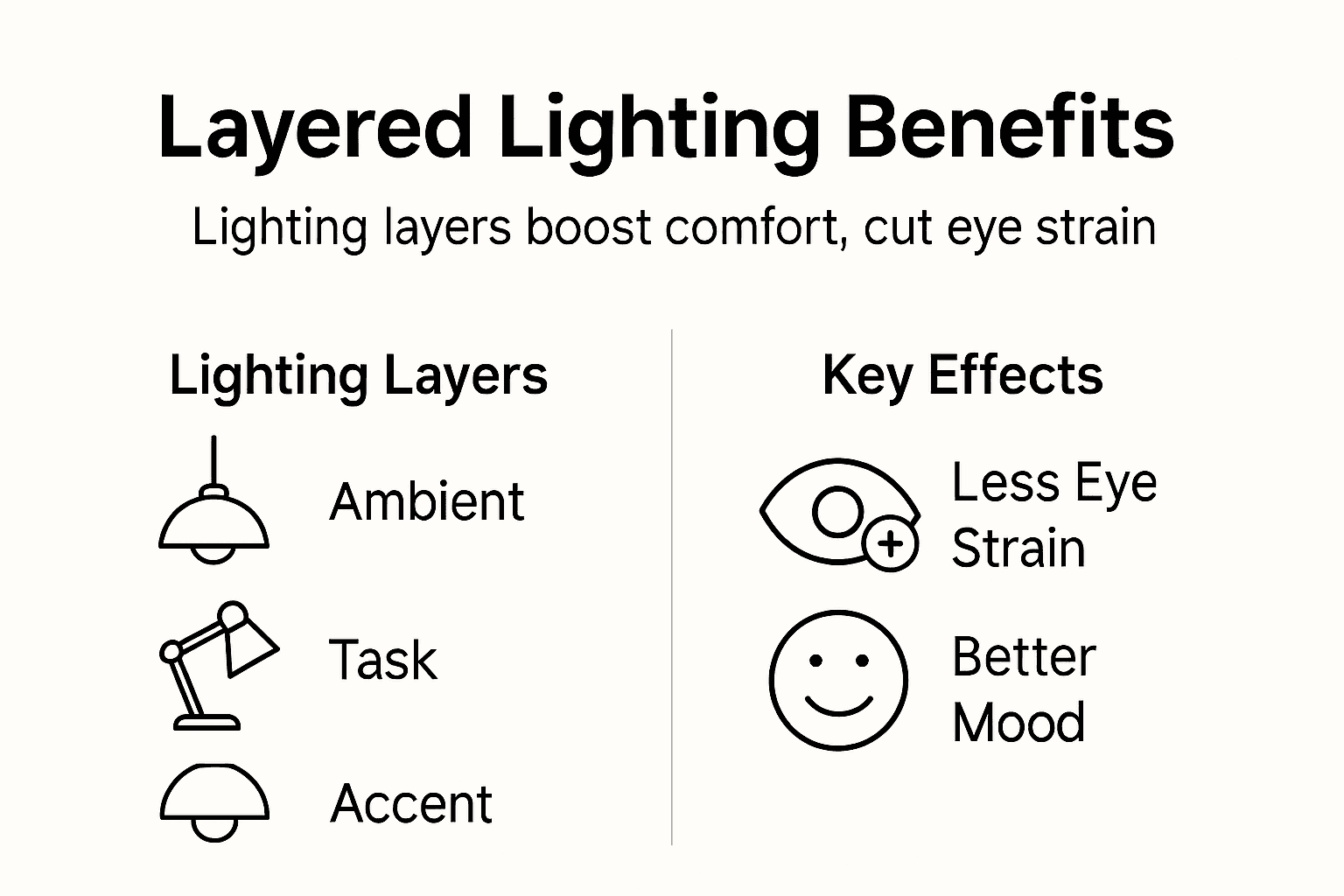
Three distinct lighting layers form the foundation of effective design. Ambient lighting provides general illumination for safe movement and overall visibility. Task lighting focuses on specific activities like reading, cooking, or grooming. Accent lighting highlights architectural details, artwork, or features you want to emphasise. Understanding these three layers of lighting helps you create spaces that feel both practical and inviting.
Integration with natural daylight further enhances spatial perception and comfort. Well-planned architectural lighting shapes spatial perception by combining layers thoughtfully, making rooms feel larger or more intimate as needed. Consider a living room where recessed ceiling lights provide ambient illumination, adjustable reading lamps offer task lighting, and wall-mounted uplights accent the textured feature wall. This layered approach creates depth and flexibility that single-source lighting cannot achieve.
Pro Tip: Observe how natural light moves through your rooms throughout the day before finalising artificial lighting plans, ensuring your design complements rather than competes with daylight.
Lighting and wellbeing: how thoughtful illumination supports daily life
Different colour temperatures suit various room functions and activities in your home. Warm lighting (2700K to 3000K) creates relaxing atmospheres ideal for living rooms and bedrooms. Cooler temperatures (4000K to 5000K) suit active spaces like kitchens and home offices where concentration matters. Choosing the right temperature for each space directly affects how comfortable you feel during different activities.
Proper lighting design can reduce eye strain by up to 40% and improve mood in 75% of occupants through considered intensity and colour temperature choices. Eye strain from harsh, poorly positioned lighting causes headaches and fatigue. Thoughtful illumination also supports your circadian rhythms, helping you feel alert during the day and relaxed in the evening. This matters because your lighting directly influences your physical comfort and mental wellbeing throughout each day.
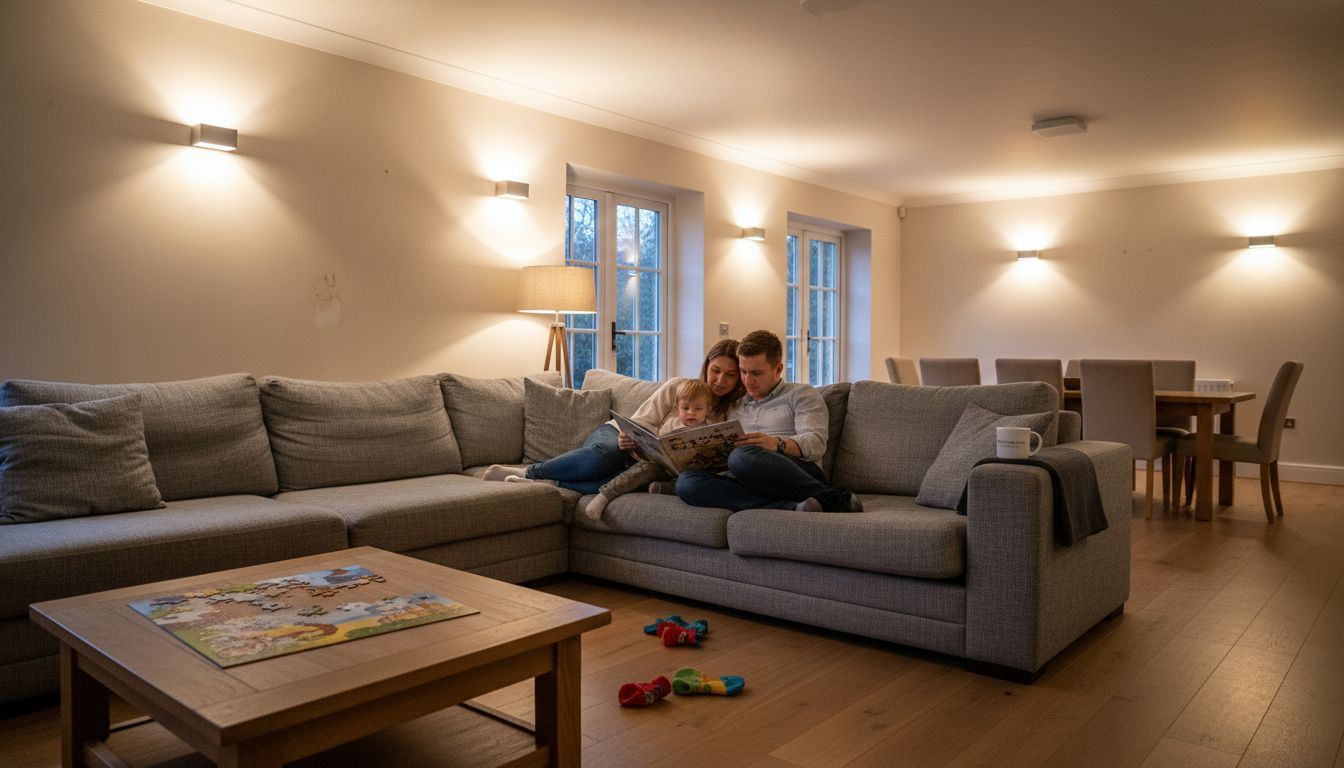
Adaptable lighting with dimmers and scene settings transforms how you use your spaces. Morning coffee requires different illumination than evening entertaining or late-night reading. Layered lighting benefits extend beyond aesthetics, giving you control over ambience for different times and activities. Your home responds to your needs rather than forcing you to adapt to fixed lighting conditions.
Consider these key wellbeing factors when planning your lighting:
- Match colour temperature to room function and desired mood
- Avoid excessive brightness that causes glare and discomfort
- Ensure task lighting prevents shadows on work surfaces
- Use dimmers to adjust intensity for different activities
- Position fixtures to minimise direct glare into eyes
Pro Tip: Choose dimmable warm ambient lighting in living rooms to transition smoothly from active daytime use to relaxed evening comfort without switching fixtures.
Common misconceptions about lighting in bespoke homes
Three widespread myths undermine effective lighting design in bespoke properties, creating uncomfortable spaces despite significant investment.
- Brighter is always better
- More fixtures mean better lighting
- Colour temperature doesn’t matter much
The first myth assumes maximum brightness improves any space. Excessive brightness can cause discomfort, and optimal lux levels depend on room function. Living rooms typically need 150 to 300 lux for comfortable ambient lighting, whilst kitchens require 300 to 750 lux for task areas. Overlighting causes glare, washes out architectural details, and creates harsh, unwelcoming environments. Your goal is appropriate illumination, not maximum brightness.
The second misconception equates quantity with quality in fixture selection. Fewer, well-placed fixtures with proper layering outperform numerous scattered lights. Six recessed downlights randomly positioned offer less comfort and flexibility than three carefully located fixtures complemented by task and accent lighting. This matters because clutter and visual noise from excessive fixtures detract from your home’s architectural integrity whilst failing to improve functionality.
The third myth dismisses colour temperature as a minor detail. In reality, colour temperature profoundly affects mood and spatial perception. Warm light makes spaces feel intimate and relaxing. Cooler light promotes alertness and accuracy for detailed tasks. Using the wrong temperature for a room’s purpose creates subtle discomfort that undermines your enjoyment of the space. Deliberate temperature selection ensures your lighting supports rather than conflicts with how you use each room.
Common homeowner mistakes include:
- Installing only ceiling downlights without task or accent layers
- Choosing non-dimmable fixtures that limit flexibility
- Ignoring how natural light interacts with artificial sources
- Prioritising fixture aesthetics over light quality and placement
Understanding these misconceptions helps you avoid design choices that compromise comfort and functionality. Your lighting design steps should address each myth directly through layered planning and appropriate specification.
Design principles and frameworks for effective architectural lighting
Balanced layering of ambient, task, and accent light creates harmonious illumination that improves balance between functionality and ambience in bespoke homes. Each layer serves distinct purposes whilst working together to support your lifestyle and architectural vision.
| Layer | Primary Role | Ideal Uses |
|---|---|---|
| Ambient | General illumination and safe movement | Ceiling fixtures, wall sconces, cove lighting |
| Task | Focused light for specific activities | Reading lamps, under-cabinet kitchen lights, vanity lighting |
| Accent | Highlight features and create visual interest | Uplights, picture lights, architectural detail illumination |
Coordinating fixture placement with architectural details avoids visual clutter whilst enhancing your home’s character. Recessed fixtures should align with ceiling beams or room geometry. Wall sconces work best flanking architectural features rather than appearing randomly placed. This coordination ensures your lighting feels integral to the architecture rather than added as an afterthought.
Balancing functional needs and ambience requires understanding how you use each space. A kitchen needs strong task lighting over work surfaces but softer ambient lighting in dining areas. Home offices require focused task lighting without harsh shadows, complemented by gentle ambient light to reduce eye strain. Your layered lighting framework should map to your daily routines and activities.
Common planning pitfalls and how to avoid them:
- Designing lighting separately from architecture: integrate plans from the start
- Focusing only on aesthetics: prioritise light quality and placement equally
- Overlooking dimming capability: specify dimmers for flexibility
- Ignoring maintenance access: ensure fixtures remain serviceable
Your lighting design checklist provides a structured approach to planning that addresses both functional requirements and aesthetic integration. Each decision about fixture type, placement, and control should support your overall vision for how the space feels and functions.
Pro Tip: Collaborate with your architect during early design stages to integrate lighting plans seamlessly, avoiding costly retrofitting and ensuring fixtures complement structural details.
Integration with controls and smart home systems
Dimmers, scene settings, and simple control systems make your lighting responsive to different activities and times of day. Dimmers allow precise intensity adjustment, whilst scene settings recall preset combinations of lighting layers instantly. These lighting controls transform static illumination into an adaptable system that responds to your needs.
Controls deliver practical benefits beyond convenience. Energy efficiency improves when you dim lights or use only necessary layers for specific activities. Lamp and fixture longevity increases significantly when operated at reduced intensity. Easy adjustment of ambience means your spaces remain comfortable whether you’re working, relaxing, or entertaining. These advantages accumulate over years of daily use.
Well-designed controls complement architectural integrity by reducing visible clutter. Centralised keypads or wireless controls eliminate banks of switches that interrupt clean wall surfaces. Concealed dimmers and automated systems preserve your home’s aesthetic whilst enhancing functionality. This matters in bespoke properties where every design detail contributes to the overall visual harmony.
Maintenance and support advantages of integrated controls:
- Centralised diagnostics identify issues quickly
- Remote adjustment capability for testing and refinement
- Scheduled scenes reduce manual operation and wear
- System monitoring alerts you to lamp failures or faults
Your lighting control workflow should feel intuitive rather than complex. Controls that require technical knowledge or lengthy programming discourage daily use. The best systems fade into the background, allowing you to focus on enjoying your spaces rather than managing technology.
Pro Tip: Ensure controls remain user-friendly and designed with future upgrades in mind, avoiding proprietary systems that limit flexibility as your needs evolve.
Process and reassurance: how lighting projects are delivered
A structured project process ensures your architectural lighting achieves the comfort and aesthetic integration you envision. Clear stages with defined outcomes remove uncertainty and support collaborative refinement throughout delivery.
- Consultation and needs assessment to understand your lifestyle, preferences, and architectural context
- Concept and layered lighting plan development aligned with your brief
- Technical design and specification of fixtures, controls, and integration details
- Installation and commissioning by qualified professionals
- Ongoing support and maintenance to preserve system performance
Collaboration with architects and designers throughout these stages ensures lighting suits your home’s features and your daily routines. Your architect understands structural constraints and aesthetic vision. Your lighting designer translates these into practical illumination strategies. This partnership prevents conflicts between architectural intent and lighting execution that compromise the final result.
Common homeowner concerns about complexity are addressed through clear project phases and regular communication. You review concepts before technical work begins. Installation schedules account for your occupancy and other trades. Commissioning includes training on controls and system features. This structured approach means you remain informed and confident throughout delivery.
Aftercare and maintenance contracts ensure your lighting system maintains performance over years of use. Regular maintenance prevents gradual deterioration that undermines comfort and efficiency. Support contracts provide rapid response when issues arise, minimising disruption to your daily life. These services protect your investment whilst giving you peace of mind that expert help remains available.
Proactive communication and customisation during each phase support your satisfaction. Your lighting project process should feel collaborative rather than prescriptive, with opportunities to refine plans as your understanding develops.
Practical applications and case studies
Real projects in London demonstrate how architectural lighting transforms bespoke homes through thoughtful layering and integration. A Kensington townhouse renovation incorporated ambient cove lighting, adjustable task lights in the library, and accent uplights highlighting original cornicing. The homeowners reported improved comfort for reading and entertaining, with the flexible lighting adapting seamlessly to different uses throughout the day.
A Richmond family home used layered lighting to address a large open-plan kitchen and living area. Recessed ambient fixtures provided general illumination. Pendant task lights over the island offered focused light for cooking. Accent lighting beneath cabinetry and within display shelving created visual interest. The result made the expansive space feel intimate and welcoming rather than stark, whilst supporting varied activities from homework to dinner parties.
| Project | Initial Budget | Lighting Layers Used | Homeowner Satisfaction |
|---|---|---|---|
| Kensington Townhouse | £18,000 | Ambient cove, task reading, accent architectural | 9.2/10 |
| Richmond Family Home | £22,500 | Recessed ambient, pendant task, under-cabinet accent | 8.9/10 |
| Chelsea Apartment | £12,000 | Wall sconce ambient, adjustable task, picture accent | 9.4/10 |
Lessons from these projects highlight critical success factors. Fixture selection must prioritise light quality over purely aesthetic appeal. Layering requires early planning to coordinate structural and electrical requirements. Integration with architecture demands collaboration between designers, architects, and installers. Professional expertise proves essential for navigating these complexities whilst maintaining your vision.
Budget and planning considerations for bespoke home lighting:
- Allocate funds across fixtures, controls, installation, and commissioning
- Plan electrical infrastructure during renovation or build phases
- Allow contingency for refinements discovered during commissioning
- Consider lifecycle costs including energy use and maintenance
These examples demonstrate that effective architectural lighting delivers measurable improvements in comfort, functionality, and satisfaction when executed through structured planning and professional delivery.
Enhance your home with expert architectural lighting solutions
Professional design and integration bring the principles discussed here to life in your bespoke property. Expert services ensure your lighting enhances both comfort and architectural harmony through layered planning, precise specification, and careful commissioning. Lighting automation solutions allow your home to respond to your lifestyle whilst preserving design integrity.

Detailed guides and workflows help you plan your ideal lighting with confidence. The home lighting workflow guide outlines practical steps from concept through completion. Step by step lighting design resources clarify how layered approaches create comfortable, adaptable spaces. If you would like to discuss how this could work in your home, contact us or call 01793 315930.
FREQUENTLY ASKED QUESTIONS
What is architectural lighting, and how is it different from regular home lighting?
Architectural lighting is designed to complement and highlight your home’s architectural features using layered integration, not just to illuminate spaces. It balances form and function beyond regular lighting by considering how illumination shapes spatial perception and enhances daily activities. This approach creates environments that feel purposefully designed rather than simply lit.
How can smart lighting controls improve my bespoke home’s lighting experience?
Smart lighting controls allow easy adjustment of brightness and scenes to suit moods and activities, enhancing comfort and usability throughout the day. They help maintain aesthetic integrity without visible clutter whilst supporting fixture longevity through better intensity management. This flexibility means your lighting adapts to your life rather than constraining how you use your spaces.
What should I expect during the architectural lighting design process?
A typical process includes consultation, concept development, technical design, installation, commissioning, and ongoing support with clear milestones throughout. Collaboration with architects and designers ensures lighting suits your lifestyle and home features whilst addressing structural and aesthetic considerations. You remain informed and engaged at each stage, with opportunities to refine plans as your vision develops.
Are more lights always better for achieving good architectural lighting?
No, fewer well-placed fixtures with layered lighting offer superior comfort and aesthetics compared to many scattered lights across ceilings and walls. Quality and placement outweigh quantity in achieving effective architectural lighting that enhances rather than overwhelms your spaces. Thoughtful design with appropriate layers creates the flexibility and visual harmony that excessive fixtures cannot deliver.
Recommended
- Home Lighting Design Tips: 3 Layers for Perfect Ambience
- Design Smart Home Lighting: Cut Energy Use 30% in 2026
- Role of Lighting Control – Shaping Everyday Living
- Lighting Control Workflow for Effortless Home Ambience