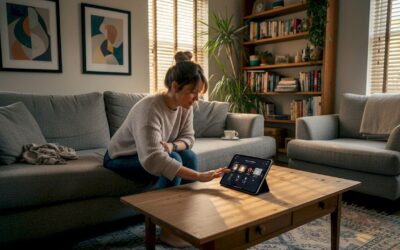
Finding a balance between architectural elegance and daily comfort often feels challenging for homeowners in London and the Home Counties. As homes become more intelligent, lighting automation is shaping how residents experience both mood and efficiency within their living spaces. By integrating advanced sensor technologies and adaptive controls, today’s homes achieve not only visual appeal but also remarkable comfort, environmental quality, and an intuitive living experience.
Table of Contents
- Lighting Automation In Residential Architecture
- Varieties Of Automated Lighting Systems
- How Lighting Automation Enhances Living
- Architectural Integration And Design Sensitivity
- Costs, Common Pitfalls, And Aftercare Support
Key Takeaways
| Point | Details |
|---|---|
| Integration of Lighting Automation | Modern lighting automation transforms residential spaces by creating dynamic, intelligent systems that enhance both functionality and aesthetic experience. |
| Types of Automated Lighting Systems | Different systems, such as sensor-based, vision-enabled, schedule-driven, and networked intelligent systems, offer tailored solutions for varied residential needs. |
| Impact on Well-being | Automated lighting significantly influences occupant comfort and mood by mimicking natural light cycles and adapting to personal preferences. |
| Importance of Professional Guidance | Engaging with a multidisciplinary design team is essential for achieving seamless integration of lighting automation with architectural aesthetics and functionality. |
Lighting Automation in Residential Architecture
The integration of lighting automation within residential architecture represents a profound shift in how we conceive and experience interior living spaces. Modern architectural design increasingly recognises lighting not merely as a functional necessity, but as a dynamic, intelligent system capable of transforming environments. Advanced lighting control technologies are revolutionising how architects and homeowners approach spatial illumination.
At the core of this transformation lies a sophisticated understanding of how light interacts with architectural elements. By incorporating sensors, Internet of Things (IoT) technologies, and adaptive control systems, residential spaces can now dynamically adjust illumination based on multiple sophisticated parameters:
- Occupancy detection
- Natural daylight availability
- Time of day
- User-defined preferences
- Energy consumption optimisation
Sustainable design principles are fundamentally reshaping lighting approaches. Integrated sensor technologies enable buildings to create responsive environments that significantly reduce energy consumption while enhancing occupant comfort. These systems go beyond simple on/off functionality, creating nuanced, adaptive lighting landscapes that respond intelligently to human activity and environmental conditions.
The architectural potential of lighting automation extends far beyond mere energy efficiency. By treating light as a design medium, architects can now choreograph spatial experiences with unprecedented precision. Lighting can define emotional atmospheres, highlight architectural features, and create seamless transitions between different zones within a residential space. The result is an environment that feels both technologically advanced and deeply human-centric.
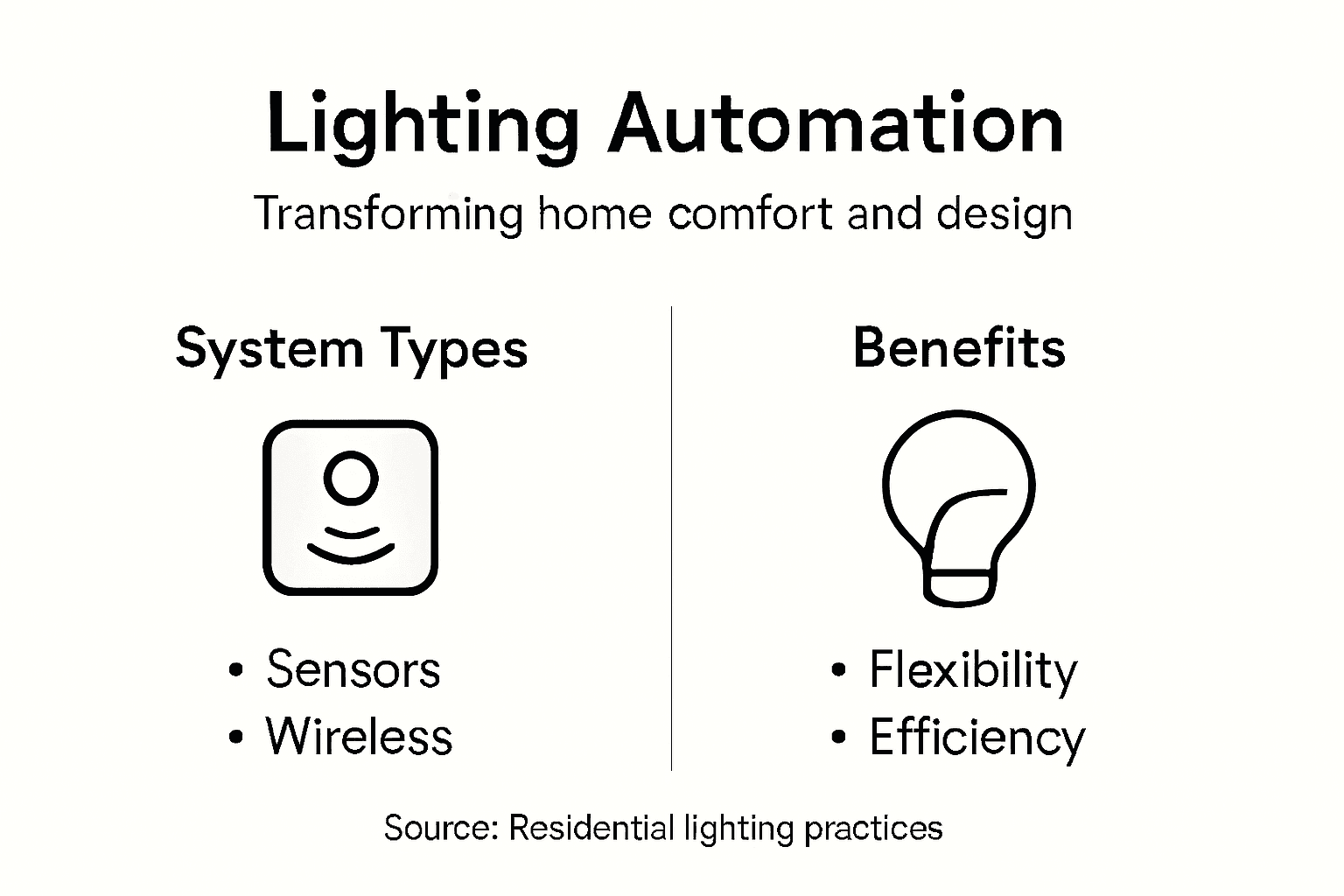
Pro tip: When designing a lighting automation system, always prioritise flexibility and consider how lighting can enhance both the functional and emotional qualities of your living spaces.
Varieties of Automated Lighting Systems
Automated lighting systems have evolved dramatically, transforming residential environments from static illumination spaces into dynamic, intelligent ecosystems. Intelligent lighting technologies now offer homeowners unprecedented control and sophistication in managing their interior lighting environments.
These systems can be broadly categorised into several distinct architectural approaches:
- Sensor-based systems: Automatically adjust lighting based on occupancy and movement
- Vision-enabled systems: Use computer vision to interpret spatial dynamics
- Schedule-driven systems: Preset lighting configurations based on time and activity
- Networked intelligent systems: Integrate multiple rooms and environmental controls
Home lighting control architectures demonstrate remarkable versatility in their implementation. Centralised processors combined with advanced sensors like ultrasonic detectors and light-dependent resistors enable incredibly nuanced lighting management. These technologies can detect subtle changes in ambient conditions, occupant presence, and even emotional contexts, creating responsive environments that adapt seamlessly to human needs.
The following table contrasts key types of automated lighting systems and their typical applications:
| System Type | Core Technology | Typical Application |
|---|---|---|
| Sensor-based | Motion, light or occupancy sensors | Automatic corridor or bathroom lighting |
| Vision-enabled | Computer vision algorithms | Adaptive lounge ambience modification |
| Schedule-driven | Programmable timers | Regular evening or morning routines |
| Networked intelligent | Centralised control networks | Whole-home synchronised lighting effects |
Beyond technological capabilities, automated lighting systems represent a sophisticated approach to architectural design. They transform lighting from a mere functional requirement into an interactive, intelligent design element that enhances spatial experiences. By understanding human behaviour patterns, these systems can create atmospheres that support wellbeing, productivity, and emotional comfort.
Pro tip: Consider consulting a professional lighting designer who understands both technological capabilities and architectural aesthetics when implementing an advanced automated lighting system.
How Lighting Automation Enhances Living
Lighting automation transcends traditional illumination, emerging as a transformative technology that fundamentally reshapes residential experiences. Intelligent lighting systems now offer far more than simple brightness control, providing nuanced environmental management that directly impacts human well-being and daily comfort.
These sophisticated systems deliver remarkable benefits across multiple dimensions:
- Biological rhythm support: Mimicking natural light cycles
- Energy efficiency: Reducing unnecessary electrical consumption
- Personalised environment: Adapting to individual preferences
- Enhanced security: Intelligent presence simulation
- Mood regulation: Creating tailored atmospheric conditions
Smart home lighting technologies represent a profound shift in how residents interact with their living spaces. By integrating advanced sensors and adaptive algorithms, these systems can interpret occupant behaviour, automatically adjusting illumination to support productivity, relaxation, and emotional well-being. The result is an environment that feels intuitively responsive, anticipating needs before they are consciously articulated.
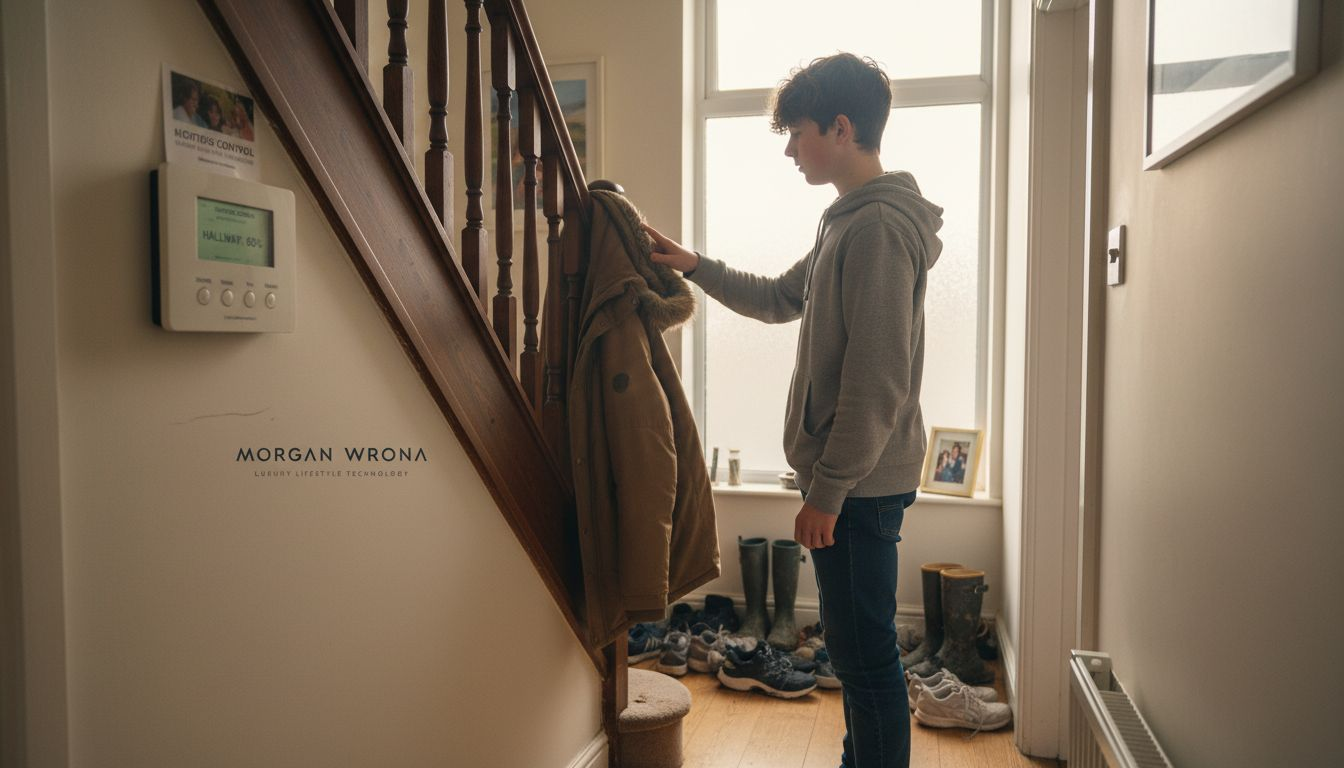
Beyond technological sophistication, lighting automation represents a holistic approach to architectural design. It transforms spaces from static environments into dynamic, responsive ecosystems that actively contribute to occupants’ quality of life. By understanding and responding to human physiological and psychological requirements, these systems create living spaces that are not just illuminated but truly alive.
Pro tip: Invest in professional consultation to design a lighting automation system that seamlessly integrates with your home’s architectural character and your personal lifestyle requirements.
Architectural Integration and Design Sensitivity
Architectural lighting integration represents a nuanced dialogue between technological capability and spatial aesthetics. Intelligent design frameworks demonstrate that lighting automation is not merely a technical installation, but a sophisticated approach to creating responsive, harmonious living environments.
Successful architectural lighting integration demands consideration of several critical design principles:
- Respecting existing architectural language
- Maintaining visual continuity
- Ensuring technological invisibility
- Supporting natural light dynamics
- Preserving spatial character
- Enabling seamless user interaction
Architectural lighting strategies reveal that design sensitivity requires a holistic understanding of how light interacts with architectural volumes, materials, and human perception. Modern automated systems must become invisible choreographers of spatial experience, subtly adjusting illumination without disrupting the fundamental visual narrative of a space.
The most elegant lighting automation solutions emerge from a deep collaboration between architects, lighting designers, and technology specialists. These integrated approaches transform technical systems into an almost imperceptible layer of environmental intelligence, where technology serves aesthetic and functional objectives without drawing attention to its own mechanisms.
Pro tip: Engage a multidisciplinary design team that understands both architectural aesthetics and lighting technology to achieve truly seamless automation integration.
Costs, Common Pitfalls, and Aftercare Support
Lighting automation investments require careful financial and technical planning beyond initial installation. Smart lighting implementation costs involve multiple considerations that extend far beyond simple equipment purchases.
Key financial and technical considerations include:
- Initial system design and installation expenses
- Hardware and software integration costs
- Potential retrofit requirements
- Ongoing maintenance and update expenses
- Potential cybersecurity investment
- Training and user adaptation costs
Building automation system challenges frequently emerge from unexpected technical complexities. System integration issues often arise from incompatible technologies, sensor inaccuracies, and user interface limitations. Homeowners must anticipate potential technical challenges and plan comprehensive support strategies that ensure long-term system reliability and performance.
Successful lighting automation requires a holistic approach that balances technological sophistication with practical maintenance considerations. Professional aftercare support becomes crucial in navigating potential system complexities, providing expert troubleshooting, software updates, and continuous performance optimisation. This approach transforms lighting automation from a potential technical liability into a reliable, adaptable home enhancement.
For a quick overview, here are common challenges and matching solutions in lighting automation:
| Challenge | Potential Impact | Solution Approach |
|---|---|---|
| Device incompatibility | System malfunctions | Select interoperable or certified devices |
| Sensor inaccuracy | Poor responsiveness | Calibrate or upgrade sensor components |
| User interface complexity | Reduced user satisfaction | Prioritise intuitive control settings |
| Maintenance neglect | Diminished system reliability | Plan regular professional aftercare |
Pro tip: Budget approximately 15-20% of your total lighting automation investment for ongoing maintenance and potential system upgrades to ensure sustained performance and reliability.
Enhancing Your Home Through Thoughtful Lighting Automation
Lighting automation has the power to transform how you experience your living spaces. By adapting to your daily rhythms and the unique architectural features of your home it offers intelligent illumination that feels natural and intuitive. This means your home can respond to occupancy, daylight, and personal preferences quietly and seamlessly, reducing energy use without compromising comfort or style.
Understanding that every home is distinct, our approach prioritises architectural sensitivity and enduring design. We work in collaboration with designers and architects to craft bespoke lighting solutions that blend into your property’s character, honour spatial flows, and preserve visual harmony. These are systems that quietly support wellbeing, enhance mood, and provide effortless control without distracting from the beauty of your home.
If you would like to explore how lighting automation can elevate your home environment through considered design and dependable technology, visit us at Morgan Wrona to learn about our consultation process.
Contact us or call 01793 315930 to discuss a lighting automation strategy tailored to your home’s architecture and lifestyle needs.
Frequently Asked Questions
What are the benefits of lighting automation in homes?
Lighting automation enhances comfort by adjusting the illumination based on occupancy, natural light availability, and personal preferences. It promotes energy efficiency, biological rhythm support, mood regulation, and increased security through intelligent presence simulation.
How do sensor-based systems work in lighting automation?
Sensor-based systems utilise motion, light, or occupancy sensors to automatically adjust lighting levels in response to human activity. This ensures that lights are only on when needed, significantly reducing energy consumption.
What should I consider when designing a lighting automation system?
When designing a lighting automation system, prioritise flexibility, consider user-defined preferences, and ensure that the system integrates well with the home’s architectural aesthetics. Consulting with a professional can help achieve the best results.
What common challenges do homeowners face with lighting automation?
Homeowners may encounter issues such as device incompatibility, sensor inaccuracies, and complex user interfaces. To overcome these challenges, it’s essential to select interoperable devices, calibrate sensors, and focus on intuitive control settings.
Recommended