Selecting lighting for a modern, architecturally sensitive home can feel overwhelming when balancing aesthetic integrity with practical daily needs. Many homeowners struggle to find solutions that complement their design vision while remaining adaptable and efficient. This guide provides clear, actionable criteria and expert tips to help you make confident lighting decisions that enhance both style and long-term functionality.
Table of Contents
- How To Choose Lighting For Modern Architecturally Sensitive Homes
- Layering Lighting For Function And Ambience
- Energy Efficient Lighting Options
- Fixture Types And Architectural Integration
- Smart Lighting Controls For Adaptability
- Balancing Natural And Artificial Light
- Professional Consultation, Commissioning And Aftercare
- Summary Comparison And Situational Recommendations
- Lighting Solutions Tailored For Modern Architectural Homes
- Frequently Asked Questions
Key takeaways
| Point | Details |
|---|---|
| Layered lighting | Combine ambient, task and accent lights to create versatile, comfortable spaces suited to different activities. |
| Energy efficiency | LEDs and dimmable options deliver long lifespans, lower running costs and adaptable brightness levels. |
| Smart controls | Preset scenes, zoning and automation enable lighting that responds intuitively to how you use each room. |
| Natural light balance | Maximising daylight and harmonising it with artificial sources improves wellbeing and reduces energy consumption. |
| Professional input | Consultation, commissioning and aftercare ensure tailored, reliable lighting solutions that endure. |
How to choose lighting for modern architecturally sensitive homes
Selecting lighting begins with understanding the criteria that matter most in modern, design-led homes. You need solutions that serve functional requirements while respecting architectural details and preserving the character of your spaces.
Start by thinking about lighting design principles homes that emphasise layering. Layering means combining ambient, task and accent lighting to support varied activities and moods. Ambient light provides overall illumination, task lighting focuses on specific work areas, and accent lighting highlights architectural features or artwork. This approach prevents visual fatigue and allows you to adjust brightness and focus as your needs change throughout the day.
Balancing natural and artificial light is equally important. Well-placed windows and considered window treatments maximise daylight, reducing reliance on artificial sources during the day. When artificial lighting is needed, it should complement natural light rather than compete with it, maintaining a harmonious visual environment that supports your wellbeing.
Energy efficiency matters for both cost and environmental reasons. LEDs consume far less power than older bulb types and last significantly longer, reducing maintenance and replacement frequency. Dimmable LEDs offer additional flexibility, allowing you to lower light levels when full brightness isn’t required, cutting energy use further.
Integration with your home’s architectural details keeps lighting subtle and unobtrusive. Recessed fixtures maintain clean ceiling lines, while carefully positioned pendant or wall-mounted fixtures can enhance architectural features without creating visual clutter. The goal is for lighting to feel like a natural part of the space, not an afterthought.
Flexibility and future-proofing through smart controls ensure your lighting adapts as your needs evolve. Smart systems let you create preset scenes for different activities, zone lighting independently across open-plan areas, and automate adjustments based on time of day or occupancy. This adaptability means your lighting remains relevant and useful over time.
Pro Tip: Review a lighting design checklist for homeowners 7 essential steps before finalising fixture and control selections to ensure you address all functional and aesthetic priorities.
- Layering provides versatility for different tasks and moods
- Natural light integration reduces energy costs and improves comfort
- Energy-efficient LEDs lower running costs and maintenance frequency
- Subtle architectural integration preserves design intent
- Smart controls enable adaptable, future-proof lighting environments
Layering lighting for function and ambience
Layering is the foundation of effective lighting design in modern homes. It involves combining three distinct types of lighting to create environments that are both functional and visually engaging.
Ambient lighting forms the base layer, providing general illumination across a room. This might come from recessed ceiling fixtures, wall-mounted sconces, or concealed LED strips. Ambient light ensures safe movement and creates a comfortable baseline brightness without harsh shadows.
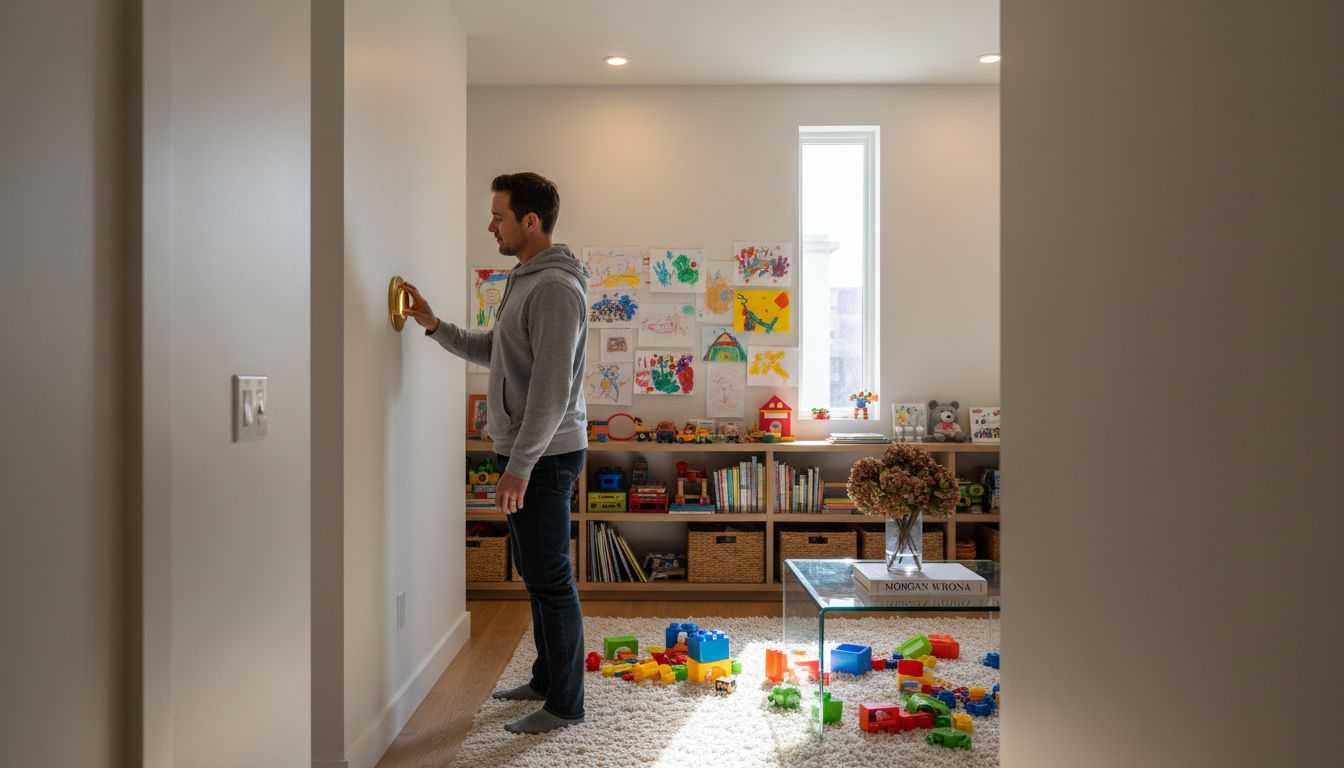
Task lighting focuses on specific activities. Reading lights beside a bed, under-cabinet strips in a kitchen, or a desk lamp in a home office all serve clear functional purposes. Task lighting reduces eye strain by delivering concentrated illumination exactly where you need it, without flooding the entire room.
Accent lighting adds depth and drama by highlighting architectural features, artwork, or material textures. Carefully aimed spotlights or grazing light across textured walls draw attention to design elements and create visual interest. This layer transforms a space from purely functional to engaging and dynamic.
Proper layering prevents harsh contrasts and visual fatigue. Layered lighting reduces eye strain and enhances mood by serving distinct functional and aesthetic purposes. When all three layers work together, you can adjust the balance to suit different activities, from focused work to relaxed entertaining.
In open-plan modern spaces, layering becomes especially valuable. You can dim ambient light in a lounge area while maintaining task lighting in an adjacent kitchen, creating distinct zones without physical barriers. This flexibility supports multiple simultaneous uses and gives you precise control over the atmosphere in each part of your home.
Pro Tip: Explore home lighting design tips 3 layers perfect ambience to see practical examples of how layering transforms everyday spaces.
- Ambient light creates a safe, comfortable base illumination level
- Task lighting supports specific activities and reduces eye strain
- Accent lighting highlights architectural details and adds visual depth
- Layering enables flexible control suited to varied room uses
Energy efficient lighting options
Energy efficiency is a practical priority for modern homes, reducing both running costs and environmental impact. LED technology has become the dominant choice due to its long lifespan and low energy consumption.
LEDs typically last 25,000 to 50,000 hours, far exceeding traditional incandescent or halogen bulbs. This longevity means fewer replacements and less maintenance, particularly valuable in homes with high ceilings or hard-to-reach fixtures. For architecturally sensitive properties where ceiling access may be limited, this durability is especially reassuring.
Dimmable LEDs offer up to 50% energy savings compared to non-dimmable incandescent lighting. Dimmable LED lighting can reduce energy consumption substantially by adjusting brightness to actual needs rather than running at full output constantly. When you lower light levels for evening relaxation or ambient mood lighting, you directly cut energy use.
Colour temperature affects how light feels and functions in a space. Warm tones between 2700K and 3000K create cosy, inviting atmospheres suited to living rooms and bedrooms. Cooler tones from 3500K to 4000K provide crisp, focused light ideal for kitchens, bathrooms, and workspaces. Choosing the right colour temperature ensures lighting suits the intended room function and enhances your comfort.
Reduced maintenance benefits extend beyond cost savings. In architecturally sensitive spaces where fixture placement is carefully considered, avoiding frequent bulb changes preserves the visual integrity of your design. You won’t need ladders or scaffolding as often, and your lighting remains consistent and reliable over years.
Pro Tip: Consider sustainable lighting solutions uk architect homes to understand how energy-efficient choices align with broader environmental goals.
Dimmable LED systems can reduce residential energy consumption by up to 50% compared to traditional incandescent lighting when adjusted to match actual lighting needs.
- LEDs deliver 25,000 to 50,000 hours of lifespan, reducing replacement frequency
- Dimmable LEDs cut energy use by matching brightness to actual needs
- Warm 2700-3000K suits cosy spaces; cooler 3500-4000K supports focused tasks
- Low maintenance preserves design integrity in architecturally sensitive homes
Fixture types and architectural integration
Choosing the right fixtures involves balancing functional performance with visual harmony. Different fixture types interact with architectural styles in distinct ways, and thoughtful selection ensures lighting enhances rather than distracts.
Recessed fixtures maintain clean ceiling lines and minimal visual impact. They disappear into the architecture, providing ambient or accent light without occupying visual space. In modern homes with simple, uncluttered aesthetics, recessed lighting preserves the intended design purity.
Pendant lights offer style and personality but require careful placement. Overusing pendants can create visual clutter and compete with architectural features. Reserve them for focal points like dining tables, kitchen islands, or statement areas where they add intentional emphasis.
Wall-mounted fixtures enhance architectural lines and provide indirect illumination that adds depth. They work particularly well in corridors, staircases, or along feature walls, guiding movement and highlighting materials without interfering with ceiling or floor space.
Spacing and placement determine whether lighting feels balanced or uneven. Fixtures positioned too far apart create dark patches, while overcrowding generates glare and visual noise. Proper spacing ensures uniform coverage and comfortable light levels across the entire space.
| Fixture Type | Visual Impact | Best Use Case | Architectural Fit |
|---|---|---|---|
| Recessed | Minimal, hidden | Ambient base layer | Clean, modern ceilings |
| Pendant | High, decorative | Focal points, islands | Statement areas |
| Wall-mounted | Medium, directional | Corridors, feature walls | Linear architectural lines |
| Track/Rail | Medium, flexible | Accent, adjustable focus | Gallery walls, art display |
Integrated fixture design respects the architectural style and material palette. Fixtures in brushed metal may suit industrial-inspired spaces, while slimline profiles work better in minimalist settings. The goal is for lighting hardware to feel cohesive with the broader design language.
Pro Tip: Revisit lighting design principles homes to align fixture choices with overarching design intent.
- Recessed fixtures preserve clean lines and architectural simplicity
- Pendants add style but should be limited to intentional focal points
- Wall-mounted fixtures enhance linear features and guide movement
- Proper spacing ensures balanced, uniform lighting coverage
Smart lighting controls for adaptability
Smart controls transform static lighting into an adaptable system that responds to your daily routines and changing needs. This flexibility enhances comfort and ensures your lighting remains useful as your lifestyle evolves.
Smart systems enable preset scenes tailored to specific activities. A “dinner” scene might dim ambient lights while accentuating pendant fixtures over the table. A “movie” scene could lower all lights except subtle floor-level accents. Creating these scenes takes minutes, and switching between them becomes effortless.
Smooth dimming enhances visual comfort by preventing abrupt transitions. Gradual adjustments are easier on the eyes and create a more natural feel, particularly when shifting from bright task lighting to softer evening ambience. This smoothness also extends bulb lifespan by reducing thermal stress.
Zoning allows independent control of multiple areas within open-plan spaces. You might want bright task lighting in the kitchen while keeping adjacent dining or lounge areas dimly lit. Smart zoning makes this simple, supporting simultaneous activities without compromise.
Automation features can support circadian health by adjusting light colour and intensity throughout the day. Cooler, brighter light in the morning promotes alertness, while warmer, dimmer light in the evening encourages relaxation and better sleep. These adjustments happen automatically, aligning your lighting with natural rhythms.
Adaptable controls future-proof your lighting investment. As your needs change, whether through new furniture layouts, different room uses, or evolving preferences, you can reprogram scenes and zones without rewiring or replacing fixtures. This adaptability keeps your system relevant for years.
Pro Tip: Explore smart home lighting architecturally designed homes and role of lighting control to understand how control systems integrate with modern home design.
- Preset scenes enable instant adjustments for different activities
- Smooth dimming improves visual comfort and extends bulb lifespan
- Zoning supports independent control across open-plan areas
- Automation aligns lighting with circadian rhythms for better wellbeing
- Future-proof adaptability allows easy reprogramming as needs evolve
Balancing natural and artificial light
Natural light is a valuable asset in any home, improving mood, reducing energy consumption, and connecting interior spaces to the outdoors. Effective lighting design maximises daylight while ensuring artificial sources complement it seamlessly.
Maximise daylight through thoughtful architectural orientation and window treatments. South-facing windows capture the most light in the UK, while adjustable blinds or shades let you modulate intensity and prevent glare. Well-placed windows flood spaces with natural light during the day, reducing reliance on artificial sources.
Use artificial lighting to supplement on cloudy days, evenings, and for varied activities. Even in well-lit spaces, artificial sources provide consistent illumination when daylight fades or weather reduces natural brightness. The goal is for artificial light to feel like a natural extension of daylight, not a harsh replacement.
Window treatments impact how natural light enters and should be adjustable. Sheer curtains diffuse strong sunlight, preventing glare while maintaining brightness. Blackout options allow full control when needed for sleep or screen use. Flexibility in window treatments ensures you can adapt to changing conditions throughout the day.
Timing and intensity of artificial light should harmonise with natural light cycles. Daylight improves wellbeing and reduces energy consumption; well-managed artificial light supplements changing daylight levels. Smart controls can automate this balance, dimming artificial sources as daylight increases and brightening them as evening approaches.
Good balance reduces energy costs and positively affects occupant wellbeing. Spaces flooded with natural light feel more open and welcoming, while thoughtful artificial supplementation ensures functionality never suffers. This synergy supports both practical needs and emotional comfort.
Pro Tip: Review the lighting design checklist for homeowners 7 essential steps to ensure natural and artificial light work together effectively.
- Maximise daylight through orientation and adjustable window treatments
- Supplement with artificial light on cloudy days and evenings
- Window treatments should be flexible to modulate intensity and prevent glare
- Harmonise artificial light timing and intensity with natural cycles
- Balanced lighting reduces costs and enhances wellbeing
Professional consultation, commissioning and aftercare
Achieving the best lighting outcomes requires expert input at every stage, from initial concept through to long-term maintenance. Professional guidance ensures your lighting integrates seamlessly with architectural intent and daily life.
- Consultation begins with understanding your architectural style, room uses, and personal preferences. A lighting specialist assesses your spaces, discusses functional priorities, and identifies opportunities to highlight design features. This tailored approach ensures solutions suit your specific needs rather than applying generic templates.
- Design involves creating detailed plans that specify fixture types, placements, control zones, and wiring requirements. Professionals coordinate with architects and builders to ensure lighting integrates cleanly with structural and electrical systems. This planning phase prevents costly rework and ensures a cohesive final result.
- Installation oversight ensures fixtures are positioned correctly, wired safely, and aligned with the design intent. Professionals verify that recessed fixtures sit flush, pendants hang at the right height, and controls function as planned. Attention to detail during installation prevents issues that could compromise performance or aesthetics.
- Commissioning identifies and resolves faults before final acceptance. This involves testing all circuits, verifying dimming functions, programming control scenes, and ensuring every element works as intended. Commissioning gives you confidence that your system is reliable and ready for daily use.
- User training helps you understand how to operate controls, create scenes, and adjust settings. Professionals explain system features clearly, ensuring you feel comfortable and capable. This training maximises the value you gain from smart controls and adaptable lighting.
- Aftercare includes maintenance advice, troubleshooting support, and system updates as technology evolves. Regular check-ins ensure your lighting continues performing optimally, and professionals can adjust settings or replace components as needed. This ongoing relationship protects your investment and ensures longevity.
Using professionals reduces costly rework and ensures system reliability. Expert input at each stage transforms lighting from a functional necessity into an integrated, enduring part of your home.
Pro Tip: Explore lighting design workflow guide uk architect homes and step by step lighting design harmonious homes to understand the full process.
Summary comparison and situational recommendations
Understanding your options helps you make informed decisions suited to your home’s unique requirements. This comparison summarises the major lighting approaches and their best use cases.
| Option | Key Benefits | Limitations | Best Suited For |
|---|---|---|---|
| LED Recessed | Clean lines, minimal visual impact, energy efficient | Limited decorative appeal, fixed position | Modern homes prioritising architectural purity |
| Pendant Fixtures | Style, focal emphasis, personality | Can clutter if overused, requires careful placement | Statement areas, dining tables, kitchen islands |
| Smart Controls | Adaptable scenes, zoning, automation, future-proof | Initial setup cost, learning curve | Open-plan spaces, varied room uses, tech-comfortable homeowners |
| Dimmable LEDs | Energy savings, adjustable brightness, long lifespan | Requires compatible dimmer switches | All spaces where flexibility and efficiency matter |
| Wall-Mounted | Enhances architectural lines, indirect illumination | Limited coverage area, best as supplemental | Corridors, feature walls, staircases |
For open-plan spaces, zoning solutions enable independent control of adjacent areas, supporting simultaneous activities without compromise. Combining smart controls with layered ambient, task, and accent lighting delivers maximum flexibility.
For energy savings, dimmable LEDs offer the greatest impact, reducing consumption by up to 50% when adjusted to match actual needs. Pair them with smart controls for automated adjustments that optimise efficiency without requiring constant manual input.
For subtle design integration, recessed fixtures combined with carefully positioned accent lighting preserve architectural integrity while highlighting key features. This approach keeps visual clutter minimal and lets the architecture speak for itself.
Personalised designs yield the best results. Every home has unique characteristics, and expert discussion ensures your lighting reflects both functional priorities and aesthetic vision. Taking time to plan thoroughly pays dividends in comfort, efficiency, and long-term satisfaction.
Pro Tip: Review home lighting workflow guide seamless ambience to see how personalised workflows translate planning into reality.
- Zoning suits open-plan spaces with varied simultaneous uses
- Dimmable LEDs deliver significant energy savings when paired with smart controls
- Recessed plus accent lighting maintains subtle, architecturally sensitive design
- Personalised consultation ensures solutions match your specific needs
Lighting solutions tailored for modern architectural homes
Achieving the ideal lighting environment requires expertise that understands both technology and design. Morgan Wrona specialises in lighting automation home experience tailored for modern, architecturally sensitive homes.
Their solutions integrate seamlessly with your home’s design and lifestyle needs, ensuring lighting enhances rather than distracts. Smart controls and workflow planning deliver effortless, adaptable ambience that responds intuitively to how you live. From initial consultation through commissioning and aftercare, their specialists guide you towards lighting that feels natural, functional, and enduring.
Explore smart home lighting architecturally designed homes and lighting control workflow home ambience to see how expert input transforms everyday spaces. If you would like to discuss how this could work in your home, contact us or call 01793 315930.
Frequently asked questions
What are the key benefits of layering lighting in modern homes?
Layering provides versatile lighting for tasks, ambience, and highlighting features, enhancing comfort and mood. It supports multiple activities by allowing you to adjust lighting levels and types as your needs change throughout the day.
How can smart controls improve lighting in architecturally sensitive properties?
Smart controls enable easy adjustment of lighting scenes and intensity to suit activities and moods. They support multiple zones for different room uses, enhancing functionality and user comfort while preserving architectural integrity.
Why is professional consultation important for lighting design?
Professionals tailor lighting to architectural style and functional needs, ensuring aesthetic harmony. Consultation and commissioning reduce errors and costly rework while optimising system longevity and reliability.
What colour temperature should I choose for different rooms?
Warm tones between 2700K and 3000K create cosy, inviting atmospheres suited to living rooms and bedrooms. Cooler tones from 3500K to 4000K provide crisp, focused light ideal for kitchens, bathrooms, and workspaces.
Recommended
- Lighting Design Principles: Integrating Form and Function
- Home Lighting Design Tips: 3 Layers for Perfect Ambience
- Step by Step Lighting Design for Harmonious Homes
- Smart home lighting for architecturally designed homes
- Why Upgrade Home Lighting: Energy, Safety, and Smart Control
- 7 Indoor Plant Styling Ideas to Elevate Modern Spaces