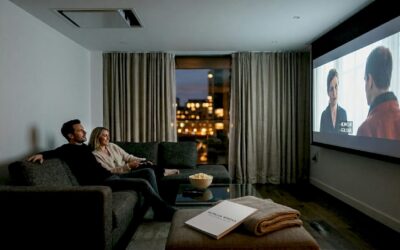
Many UK architect-led homes struggle with lighting that feels either too harsh or too dim, failing to support the way families actually live. Up to 60% of smart lighting projects report issues with poor fixture placement or wiring, leading to spaces that don’t work as intended. Smart lighting design is about balancing technology with your home’s architecture. This guide will help you create intelligent lighting that enhances function and form.
Table of Contents
- Understanding Your Home and Its Lighting Needs
- Prerequisites: Preparing for Smart Lighting Design
- Step-by-Step Design Process
- Control Systems and Integration Options
- Common Mistakes and How to Avoid Them
- Expected Outcomes and Success Metrics
- Maintenance, Commissioning, and Support
- Discover Expert Smart Lighting Solutions
- Frequently Asked Questions
Key Takeaways
| Point | Details |
|---|---|
| Tailored lighting design | Complements architectural features for enhanced living. |
| Layered lighting approach | Smart controls improve usability and ambience. |
| Planning and collaboration | Essential to avoid costly mistakes. |
| Energy efficiency gains | Systems reduce consumption by 25-30%. |
Understanding Your Home and Its Lighting Needs
Your home’s architecture influences how light moves through each space. Before selecting fixtures or controls, assess the features that shape light distribution. High ceilings, open-plan layouts, and glazing patterns all affect how natural and artificial light interact.
Consider natural light patterns throughout the day. South-facing rooms flood with sunlight in the afternoon, whilst north-facing spaces need consistent artificial support. This understanding helps you place fixtures where they’re genuinely needed.
Identify functional zones with specific lighting needs:
- Kitchens require task lighting over worktops and ambient light for circulation
- Living areas benefit from accent lighting highlighting architectural details
- Home offices need focused task lighting without glare
- Hallways and staircases demand consistent, safe illumination
Use layering (ambient, task, accent) to enhance usability and aesthetics. Layered lighting strategies improve functionality by up to 50%, showing design matters more than gadgetry. Ambient light provides overall illumination, task lighting supports specific activities, and accent lighting draws attention to textures or artwork.
This approach gives you control over mood and function. Understanding lighting design principles helps you create spaces that adapt to how you live, not how a system dictates.
Prerequisites: Preparing for Smart Lighting Design
Before designing your lighting system, establish the groundwork that ensures safety and effectiveness. Compliance with UK wiring standards (BS 7671) is mandatory for electrical safety and code adherence. Your electrician will confirm your installation meets these regulations.
Assess your current electrical infrastructure for compatibility. Older homes may need circuit upgrades to handle smart lighting loads. Check whether existing wiring can support dimming controls and whether your consumer unit has capacity for additional circuits.
Clarify household lighting habits and preferences before design begins:
- How do different family members use each space throughout the day?
- Which rooms need lighting scenes for multiple activities?
- Do you prefer wall-mounted controls, app-based interfaces, or voice commands?
- What level of automation feels comfortable versus intrusive?
Coordinate early with electricians and architects for feasibility. Your architect understands the spatial vision, whilst your electrician knows what’s structurally possible. Bringing them together early prevents expensive redesigns later.
“Early coordination between design and electrical trades avoids the common trap of beautiful lighting plans that can’t actually be installed within the building’s constraints.”
Understanding UK wiring regulations and smart lighting prerequisites ensures your project starts on solid ground. This preparation saves time, money, and frustration during installation.
Step-by-Step Design Process
Collaborate with architects and designers at the project outset. Collaborating with architects early leads to better integrated lighting design and fewer installation issues. Share your daily routines, aesthetic preferences, and functional priorities. This conversation shapes a lighting plan that feels natural, not imposed.
Develop a layered lighting scheme: ambient, task, accent. Start with ambient light that provides general illumination without harsh shadows. Add task lighting where you read, cook, or work. Finish with accent lighting that highlights architectural features or artwork. Each layer serves a distinct purpose.
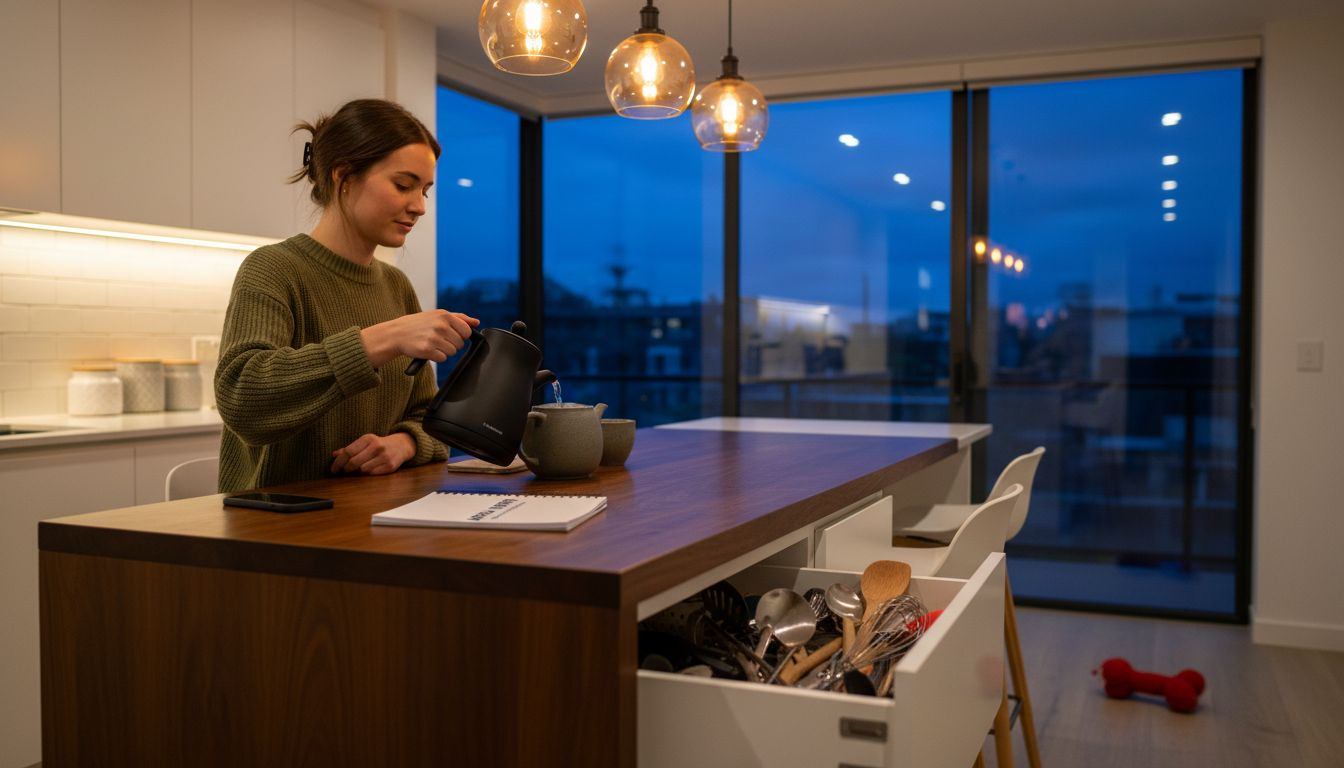
Select smart controls tailored to household needs. Consider who will use the system daily. Wall-mounted keypads suit households with varying technical comfort, whilst app-based controls appeal to tech-confident families. Voice control works well for hands-free operation but requires reliable network connectivity.
Plan wiring and device placements carefully to meet standards:
- Map electrical routes that minimise disruption to finished surfaces
- Position control panels at natural entry points for intuitive use
- Ensure dimmer modules have adequate ventilation to prevent overheating
- Plan for future additions by installing spare capacity in control cabinets
- Document cable routes for future maintenance or modifications
Ensure system flexibility for future adjustments. Technology evolves, and your needs will change. Choose systems that allow programming updates without rewiring. Modular control platforms let you add functions later without replacing entire installations.
Pro Tip: During the planning phase, photograph each room at different times of day. These images help your design team understand natural light patterns and identify where artificial lighting needs to compensate.
Following a step-by-step lighting design process creates coherence between technology and architecture. Apply layered lighting tips to achieve the balance you need.
Control Systems and Integration Options
Choosing between wired and wireless systems shapes your installation’s reliability and flexibility. Wired smart lighting systems offer higher reliability and better future-proofing for architecturally complex homes. Wired systems use dedicated cabling between controllers and fixtures, providing stable communication without interference. Wireless systems rely on radio signals, making them easier to retrofit but potentially vulnerable to network congestion.
| Feature | Wired Systems | Wireless Systems |
|---|---|---|
| Reliability | Consistent, no interference | Can experience signal issues |
| Installation | Requires cable routing, best during build or renovation | Easier retrofit, minimal structural work |
| Future-proofing | Excellent, uses robust protocols | Depends on continued protocol support |
| Cost | Higher upfront due to cabling | Lower initial cost, potential upgrade expenses |
Scene programming and automation bring significant benefits. Programme lighting scenes that recall specific settings with one touch. A “Dinner” scene might dim overhead lights whilst accenting artwork. An “Away” scene cycles lights to simulate occupancy.
Control interfaces: wall panels, smartphone apps, voice commands. Wall-mounted keypads provide tactile, immediate control without reaching for a phone. Smartphone apps offer remote access and scheduling from anywhere. Voice commands through Alexa or Google Assistant suit hands-free moments but require clear speech.
Recommend system selection based on architectural and user needs. New builds and major renovations suit wired systems for long-term stability. Retrofits in finished homes benefit from wireless systems that avoid extensive building work. Consider who uses the home daily: multi-generational households often prefer simple wall controls over app-dependent systems.
Exploring lighting control options helps you match technology to lifestyle, ensuring your investment supports rather than complicates daily living.
Common Mistakes and How to Avoid Them
Avoid single-source lighting; use a layered approach instead. Relying on one central ceiling fixture creates harsh shadows and fails to support varied activities. Distribute light sources throughout the room at different heights. This creates depth and adaptability.
Integrate lighting plans with natural daylight patterns. 60% of projects report wiring issues causing delays or failures. Design your artificial lighting to complement, not compete with, natural light. Use daylight sensors that automatically dim fixtures as sunlight increases, reducing waste and glare.
Common pitfalls to avoid:
- Insufficient circuit capacity for dimming modules and smart controls
- Placing dimmers in areas with poor ventilation, leading to overheating
- Choosing control interfaces that don’t match household technical comfort
- Failing to document wiring routes for future troubleshooting
- Ignoring acoustic impact of transformer hum in quiet spaces
Ensure wiring surveys and coordination with electricians happen before committing to fixture selections. Your electrician can identify constraints that influence fixture placement and control options. This prevents discovering halfway through installation that your preferred layout isn’t feasible.
Design control interfaces to suit user ability and preferences. A complex app-based system frustrates users who prefer physical buttons. Conversely, tech-confident households find basic wall switches limiting. Match the interface to the people who’ll use it daily.
Pro Tip: Install a physical override switch for each smart lighting zone. Technology occasionally fails, and a manual backup ensures you’re never left in the dark during a system glitch.
Recognising common smart lighting mistakes helps you avoid compromised effectiveness and wasted investment. Small planning decisions have large downstream impacts.
Expected Outcomes and Success Metrics
Installation timelines average 4-6 weeks for architect-led projects. This includes initial consultation, design development, electrical preparation, fixture installation, system programming, and commissioning. Complex homes with extensive automation may require additional time.
Smart lighting can reduce home energy consumption by 25-30%, saving costs and carbon footprint. LED fixtures use significantly less energy than incandescent or halogen alternatives. Smart controls ensure lights operate only when needed, eliminating waste from forgotten switches.
| Metric | Before Smart Lighting | After Implementation |
|---|---|---|
| Average Energy Use | 100% baseline | 70-75% of baseline |
| User Satisfaction | Variable, often frustrating | 40%+ improvement reported |
| Lighting Scenes Used | Single on/off per room | 3-5 programmed scenes per zone |
| Manual Adjustments | Frequent, inconvenient | Reduced by 60% with automation |
Users report 40%+ improvement in lighting satisfaction after implementing well-designed smart systems. This improvement stems from having control over ambience, ease of use, and lighting that adapts to activities automatically.
Metrics help validate system success and user comfort. Track energy bills before and after installation to quantify savings. Survey household members about ease of use and whether the system supports their daily routines. These measurements confirm whether your investment delivers the intended value.
Understanding smart lighting benefits and metrics sets realistic expectations and helps you evaluate whether your system meets your goals.
Maintenance, Commissioning, and Support
Formal commissioning confirms the system works as designed. During commissioning, your installer tests every fixture, control, and automation sequence. They verify scenes recall correctly, sensors respond appropriately, and interfaces function intuitively. This process identifies issues before you rely on the system daily.
User training ensures ease of operation and maximises benefit. Your installer should walk through common tasks: adjusting scenes, creating schedules, and troubleshooting minor issues. Understanding how the system works builds confidence and prevents frustration. Regular commissioning and user training improve long-term satisfaction and system functionality.
Schedule regular updates and troubleshooting checks:
- Software updates for control processors and apps ensure compatibility and security
- Annual system health checks identify wear on dimmers or failing fixtures
- Network maintenance prevents connectivity issues with wireless components
- Scene refinement sessions adjust programming as your routines evolve
Plan for future-proofing and system scalability. Choose platforms that accept new integrations without replacing core infrastructure. Modular systems let you add zones or functions as needs change. Document your installation thoroughly so future trades understand your system’s architecture.
Proper smart lighting maintenance and commissioning protects your investment and ensures your lighting continues serving you effectively for years.
Discover Expert Smart Lighting Solutions
Professional lighting automation tailored for architect-led homes ensures your system integrates seamlessly with your property’s design. Expert guidance during planning prevents the common mistakes that compromise effectiveness.

Seamless integration of smart controls creates effortless ambience that adapts to how you live. Whether you’re retrofitting an existing home or designing a new build, understanding the home lighting workflow guide helps you achieve results that feel natural, not forced. Explore lighting control workflow approaches that suit your architectural vision. If you would like to discuss how this could work in your home, call 01793 315930 or download our brochure.
Frequently Asked Questions
What is the difference between wired and wireless smart lighting systems?
Wired systems use dedicated cabling between controllers and fixtures, offering stability and excellent future-proofing for complex homes. Wireless systems rely on radio signals, making them easier to retrofit but potentially vulnerable to interference. Choose based on whether you’re building new or retrofitting finished spaces.
How can I ensure my smart lighting design complements natural light?
Use daylight sensors and zoned lighting to balance artificial light with sunlight throughout the day. During design, consider how architectural features like glazing and orientation affect natural light patterns. Programme scenes that adjust automatically as daylight changes, preventing harsh contrasts.
What are the typical maintenance needs for smart lighting systems?
Periodic commissioning confirms programming remains accurate as your routines evolve. Software updates maintain compatibility and security. Annual system health checks identify wear on dimmers or failing fixtures before they cause problems. Prompt troubleshooting ensures long-term reliability and prevents minor issues escalating.
How long does a typical smart lighting installation take in an architect-designed home?
Installations usually range from 4 to 6 weeks depending on system complexity, home size, and coordination with other trades. This includes consultation, design, electrical preparation, fixture installation, programming, and commissioning. Early planning with architects and electricians helps avoid delays and ensures smooth delivery.