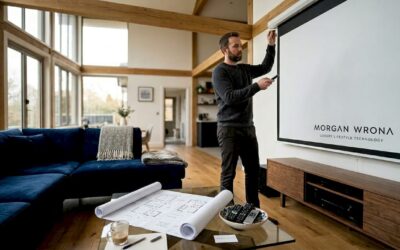
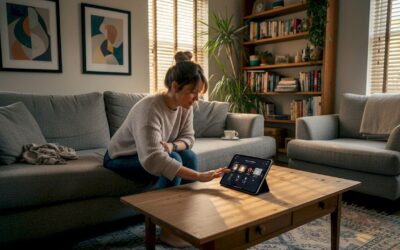
Many homeowners believe that creating a home cinema means sacrificing design for technology, relegating viewing to dark, closed-off rooms. This misconception overlooks how modern design-led home cinema concepts now integrate seamlessly into architect-led properties across London and the South East. This guide explores how bespoke cinemas enhance both your living experience and property appeal while maintaining architectural integrity throughout your home.
Table of Contents
- Introduction to Design-Led Home Cinema Concepts
- Architectural Integration: Harmonising Technology and Design
- The Home Cinema Design Process: From Consultation to Commissioning
- Technologies That Enable Seamless Integration
- Common Misconceptions and Realities of Home Cinema Design
- Comparing Integration Approaches: Built-in Systems vs Dedicated Rooms
- Maintaining and Supporting Your Bespoke Home Cinema
- Bringing It All Together: Applying Design-Led Concepts in Your Home
- Explore Bespoke Home Cinema & Lighting Solutions
- Frequently Asked Questions
Key Takeaways
| Point | Details |
|---|---|
| Property Enhancement | Well-integrated home cinemas improve property value by enhancing living comfort and architectural cohesion, yielding a 15-20% increase in perceived property appeal. |
| Collaborative Planning | Projects with multi-disciplinary consultation experience 35% fewer revisions leading to smoother installations. |
| Discreet Technology | Concealing speakers can reduce their visual impact by up to 75%, fostering aesthetics without sacrificing sound quality. |
| Integration Options | Built-in systems prioritise architectural flow; dedicated rooms offer superior sound isolation. |
| Long-Term Support | Scheduled maintenance and support contracts ensure consistent performance and adaptability. |
Introduction to Design-Led Home Cinema Concepts
A design-led home cinema extends far beyond installing a projector and speakers. It represents a thoughtful integration where technology enhances your living space without dominating it. For homeowners with architect-designed properties, this approach ensures that audiovisual systems complement existing spatial flows and material choices.
Integration matters because your home’s architectural language tells a story. When cinema technology disrupts that narrative with visible wiring, bulky equipment, or jarring finishes, it diminishes both daily comfort and long-term property appeal. Design-led concepts preserve your home’s character while adding functional value.
The benefits extend beyond aesthetics:
- Enhanced daily living through adaptable spaces that serve multiple purposes
- Improved comfort with tailored acoustics and lighting control in home cinemas that respond to different activities
- Increased property desirability when systems appear intentional rather than retrofitted
- Simplified operation through intuitive controls that family members of all ages can use
This approach transforms cinema from a technology purchase into an architectural decision. It requires early collaboration, careful material selection, and understanding how systems interact with your home’s existing features.
Architectural Integration: Harmonising Technology and Design
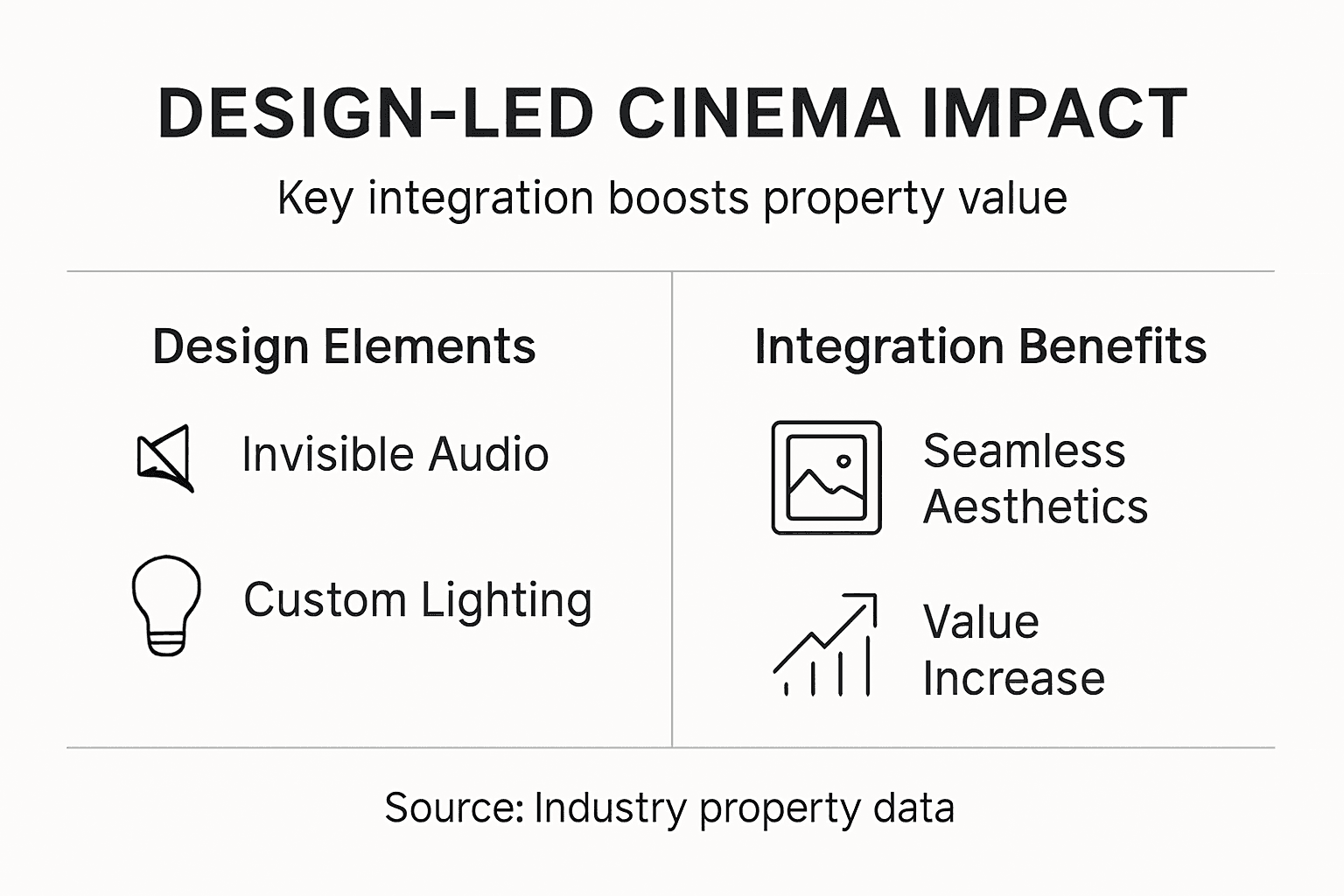
Seamless integration begins with concealment strategies that respect your property’s visual language. In-wall speakers eliminate protruding boxes. Recessed projectors maintain ceiling lines. Cable pathways planned during construction or renovation ensure wiring never compromises plasterwork or joinery.
Acoustic treatments present another integration opportunity. Rather than applying generic foam panels, bespoke installations use fabric-wrapped panels that match your interior palette. Timber battens can conceal absorption materials while adding textural interest. Even bass traps integrate into architectural features like window reveals or ceiling coffers.
These integration methods deliver tangible returns. Well-integrated home cinemas improve property value by enhancing living comfort and architectural cohesion, yielding a 15-20% increase in perceived property appeal. Potential buyers recognise quality installations that feel integral to the property rather than added afterthoughts.

Daily living quality improves as well. Spaces feel more spacious when technology doesn’t compete for visual attention. The role of lighting in cinemas becomes particularly important, allowing rooms to transition from bright daytime spaces to immersive viewing environments without manual adjustment.
Consider these integration priorities:
- Match speaker grilles to wall finishes so they disappear when not in use
- Position equipment racks in adjacent spaces to eliminate ventilation noise
- Coordinate control interfaces with existing switches and architectural details
- Plan acoustic treatments as design elements from the project’s outset
Understanding home cinema automation impact helps you see how systems can enhance rather than intrude upon your living environment.
Pro Tip: Involve your architect and cinema specialist simultaneously during early design stages. This collaboration identifies optimal speaker locations, equipment placement, and acoustic requirements before construction begins, avoiding costly modifications later.
The Home Cinema Design Process: From Consultation to Commissioning
Creating a bespoke home cinema follows a structured process that balances technical requirements with architectural sensibilities. Projects with multi-disciplinary consultation experience 35% fewer revisions leading to smoother installations. Each stage builds upon the previous one, ensuring your cinema meets both performance and design expectations.
-
Initial Consultation establishes your priorities. Do you prioritise film immersion or flexible spaces for family gatherings? How does the cinema relate to adjacent rooms? What architectural features must remain visible? This conversation sets parameters that guide all subsequent decisions.
-
Concept Design translates priorities into spatial plans. Specialists propose speaker configurations, screen positions, and equipment locations. They coordinate with your architect to identify structural considerations like ceiling heights, wall compositions, and acoustic requirements. Technology selection happens here, matching system capabilities to your usage patterns.
-
Detailed Design produces technical drawings showing every cable route, mounting point, and integration detail. Material specifications ensure finishes align with your interior scheme. Control system programming begins, defining how you’ll interact with the cinema daily.
-
Installation and Commissioning brings the design to life. Tradespeople work alongside your builder or decorator to integrate systems sympathetically. After physical installation, specialists calibrate audio for your room’s specific acoustic signature. They program lighting scenes that complement different viewing modes.
-
User Training ensures you extract full value from your investment. Specialists walk you through operation, explaining how to access different sources, adjust settings, and troubleshoot simple issues.
-
Aftercare provides ongoing support as your needs evolve. This might include software updates, seasonal recalibration, or assistance as you add new devices.
This structured approach ensures technology serves your lifestyle rather than dictating it. Understanding home cinema automation within this context shows how systems can grow with your changing requirements.
Pro Tip: Request comprehensive user training before final sign-off. Many homeowners underutilise sophisticated systems because they never learned operational basics. Proper training transforms complex technology into intuitive daily tools.
Technologies That Enable Seamless Integration
Modern cinema technology has evolved specifically to support architectural integration. Concealing speakers can reduce their visual impact by up to 75%, fostering aesthetics without sacrificing sound quality. This visual discretion no longer requires performance compromises.
In-wall and in-ceiling speakers represent the foundation of invisible audio. These mount flush with surfaces, requiring only small grilles that paint to match surrounding finishes. Advances in driver technology mean these speakers deliver clarity and dynamic range that once required large cabinet speakers. Subwoofers integrate similarly, mounted in walls or beneath floors where their low-frequency output remains effective but unseen.
Smart lighting systems create ambience that responds to viewing activities. As you begin watching, lights dim gradually rather than switching off abruptly. Pathways remain subtly lit for safe movement. When viewing ends, illumination returns to comfortable levels. This automation happens invisibly, triggered by your cinema system without requiring separate controls. The lighting control workflow demonstrates how these systems coordinate seamlessly.
Acoustic treatments now incorporate into architectural elements. Stretched fabric systems conceal absorption panels behind visually continuous surfaces. Perforated timber panels provide both aesthetic interest and acoustic function. Even decorative elements like coffered ceilings can integrate sound-diffusing geometries that improve audio clarity.
AV control systems unify these technologies into single interfaces:
- Wall-mounted touchscreens that match your switch plates and architectural hardware
- Smartphone apps that provide full control without dedicated remotes
- Voice integration allowing natural commands without learning complex syntax
- Automated scenes that recall preferred settings for different viewing types
These technologies work together, creating cinema experiences that feel effortless. Equipment operates reliably behind the scenes while you focus entirely on content and company.
Common Misconceptions and Realities of Home Cinema Design
Several persistent myths prevent homeowners from fully embracing design-led cinema concepts. Challenging these misconceptions reveals opportunities you might otherwise overlook.
Myth: Home cinemas must occupy dark, windowless rooms isolated from the rest of your home.
Reality: Modern cinemas integrate into living spaces you already use daily. Motorised blinds control daylight when needed. Ambient lighting systems create viewing-appropriate conditions without permanent darkness. Your cinema can function equally well for afternoon family film sessions and evening entertaining.
Myth: Achieving quality sound requires large, visible speakers that dominate room aesthetics.
Reality: In-wall and in-ceiling speakers now deliver performance that matches traditional box speakers. Strategic placement and proper calibration matter more than cabinet size. Many homeowners achieve reference-quality audio with completely concealed systems that maintain clean architectural lines.
Myth: Cinema technology inherently conflicts with thoughtful interior design.
Reality: Careful planning embeds technology so thoroughly it becomes invisible. Projectors recess into ceilings. Screens retract when not in use. Equipment lives in adjacent spaces or custom joinery. The result enhances architectural value rather than compromising it.
Myth: Integrated systems limit future upgrades or modifications.
Reality: Well-designed installations anticipate evolution. Cable pathways accommodate additional connections. Control systems accept new devices. Modular approaches allow component upgrades without disturbing architectural finishes.
These realities reshape how you might approach cinema planning:
- Multipurpose spaces reduce the need for dedicated single-use rooms
- Concealed technology preserves design cohesion while delivering immersive experiences
- Thoughtful integration increases rather than decreases long-term property value
- Future adaptability ensures your cinema remains relevant as technology evolves
Understanding these truths allows more confident decision-making aligned with both your lifestyle and architectural ambitions.
Comparing Integration Approaches: Built-in Systems vs Dedicated Rooms
Homeowners face fundamental choices about how cinema systems relate to their property’s architecture. Built-in approaches and dedicated rooms each offer distinct advantages depending on your priorities and spatial constraints.
| Aspect | Built-in Systems | Dedicated Cinema Rooms |
|---|---|---|
| Visual Integration | Minimal visibility; technology disappears into architecture | Visible but themed; equipment becomes intentional design feature |
| Acoustic Performance | Good with proper treatment; ambient noise may intrude | Excellent; full sound isolation from adjacent spaces |
| Space Flexibility | Room serves multiple functions throughout the day | Single-purpose space optimised entirely for viewing |
| Design Coordination | Extensive early planning with architect required | More independent; can develop separately from main architectural programme |
| Cost Implications | Higher integration costs; skilled trades required | Lower installation costs; more straightforward process |
Built-in systems excel when space is limited or when you want cinemas to enhance rather than define rooms. These installations maintain your home’s architectural flow. Technology activates when needed, then retreats completely. Living rooms, family spaces, and even bedrooms accommodate cinema functions without surrendering their primary purposes.
Dedicated rooms deliver superior acoustic isolation and allow more immersive environments. Soundproofing prevents disturbance to adjacent spaces. Light control becomes absolute. Seating, finishes, and proportions optimise purely for viewing rather than balancing multiple uses.
Consider these decision factors:
- Available Space: Smaller properties benefit from multipurpose integration; larger homes can accommodate dedicated rooms without spatial compromise
- Usage Patterns: Daily casual viewing suits built-in approaches; dedicated enthusiast use justifies purpose-built spaces
- Acoustic Requirements: Sensitive neighbours or irregular viewing hours may require dedicated room isolation
- Architectural Language: Contemporary open-plan homes naturally suit built-in systems; traditional layouts with defined rooms accommodate dedicated spaces more easily
Neither approach is inherently superior. Your choice depends on how cinema fits within your broader lifestyle and property context. Some homeowners implement both, creating flexible living space systems alongside dedicated screening rooms for focused viewing.
Maintaining and Supporting Your Bespoke Home Cinema
Even beautifully integrated cinema systems require ongoing attention to maintain performance and adapt to changing technology. Aftercare separates temporary installations from long-term investments that continue delivering value.
Scheduled maintenance prevents gradual degradation. Specialists clean projector filters, check cable connections, and verify system calibration. They identify potential issues before they affect your experience. Annual service visits typically suffice for residential installations, though heavily used systems may benefit from more frequent attention.
Software updates keep systems current as manufacturers improve performance and add features. Modern cinema components rely on firmware that evolves continuously. Specialists apply these updates systematically, testing thoroughly to ensure compatibility across integrated systems.
Troubleshooting support provides reassurance when unexpected issues arise:
- Remote diagnostics often resolve problems without site visits
- Emergency callout services address urgent failures
- Replacement component coordination ensures minimal downtime
- System documentation allows any qualified technician to understand your installation
Support contracts offer the greatest value. These agreements guarantee response times, include scheduled maintenance, and often provide preferential rates for additional work. They transform your cinema from a product into a supported service that adapts as your needs change.
Many homeowners overlook maintenance until problems emerge. This reactive approach costs more and creates frustration. Proactive support maintains the seamless operation that justified your initial investment.
Pro Tip: Establish maintenance contracts during installation rather than waiting for issues to appear. Early agreements often include better terms and ensure your installer remains familiar with your system’s specific configuration and integration details.
Bringing It All Together: Applying Design-Led Concepts in Your Home
Translating these principles into your specific property requires coordinated action across design, technology, and lifestyle considerations. Start by engaging your architect and cinema specialist simultaneously. This early collaboration identifies opportunities and constraints before construction or renovation begins.
Select technologies that align with your home’s character and your daily patterns:
- Contemporary minimalist properties suit fully concealed systems with discrete control interfaces
- Traditional architecture accommodates sympathetically detailed integration that respects existing joinery and finishes
- Family-focused homes benefit from robust, intuitive systems that all household members can operate confidently
- Entertainment-oriented spaces might emphasise flexibility, supporting various content sources and viewing configurations
Plan explicitly for evolution. Technology changes rapidly, but your architecture endures. Ensure installations include spare cable pathways, accessible equipment locations, and control systems that accept new devices. This forward thinking protects your investment and delays obsolescence.
Recognise lighting as integral to cinema success rather than an afterthought. Understanding lighting design steps and lighting design principles shows how illumination creates ambience, guides attention, and supports the viewing experience without competing with screens.
Final considerations before proceeding:
- Document your priorities clearly so specialists understand what matters most to you
- Allocate sufficient budget for both technology and architectural integration work
- Accept that bespoke solutions require time for proper planning and execution
- Maintain realistic expectations about what technology can achieve within your spatial and acoustic constraints
Design-led home cinemas succeed when technology serves architecture and lifestyle rather than dominating either. This approach requires patience, collaboration, and willingness to invest in quality integration. The result transforms viewing from an isolated activity into an architectural amenity that enhances your home’s value and your daily living experience.
Explore Bespoke Home Cinema & Lighting Solutions
Creating cinema spaces that honour your property’s architecture requires specialist knowledge spanning technology, design, and installation. Morgan Wrona collaborates with homeowners and architects across London and the South East to develop home cinema automation solutions that integrate seamlessly into bespoke properties.
Our process emphasises collaboration from initial consultation through commissioning and ongoing aftercare. We coordinate with your design team to ensure technology enhances rather than compromises your home’s character. Lighting automation solutions work alongside cinema systems to create environments that adapt throughout the day.
If you would like to discuss how design-led cinema concepts could enhance your home, explore our bespoke home automation services or call 01793 315930 to arrange a consultation.
Frequently Asked Questions
What size room is ideal for a built-in home cinema in a bespoke property?
Room size matters less than proportions and acoustic treatment. Spaces as compact as 3.5m by 4.5m can deliver engaging cinema experiences with proper speaker placement and sound management. Larger rooms offer more flexibility for seating arrangements and screen sizes but require more extensive acoustic treatment to control reflections.
Can lighting automation enhance the cinema experience without rewiring my home?
Wireless lighting control systems now integrate effectively into existing properties without disturbing finishes. These systems communicate via radio protocols, requiring only replacement of existing switches and addition of a central controller. They coordinate with cinema systems to create automated scenes that dim lights gradually as viewing begins.
How often should bespoke home cinema systems undergo maintenance?
Annual maintenance visits suffice for most residential installations. Specialists clean optical components, verify calibration, apply software updates, and check system integration during these sessions. Heavily used systems or those in challenging environments may benefit from bi-annual service to maintain optimal performance.
Is it possible to integrate home cinema technology without visible wiring or speakers?
Complete concealment is achievable with proper planning during construction or renovation. In-wall and in-ceiling speakers require cavity access but mount flush with surfaces. Cable pathways integrate into walls, floors, or ceiling voids. Equipment locates in adjacent spaces or custom joinery. Motorised screens and projector lifts disappear entirely when not in use.
What are the early steps homeowners should take when planning a bespoke home cinema?
Begin by defining how you’ll use the space and what matters most to you. Then engage both your architect and a cinema specialist before finalising room layouts or construction details. This early collaboration identifies optimal locations for speakers, screens, and equipment while ensuring architectural features accommodate technical requirements. Document your priorities clearly so all parties understand your vision from the project’s outset.
Recommended
- Role of Lighting in Home Cinemas: Enhancing Experience
- Lighting Control in Home Cinemas – How It Shapes Experience
- Role of Lighting Design – Impact on Home Viewing
- Defining Home Cinema Automation: Architectural Impact