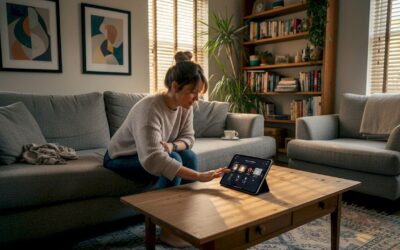
Choosing the right lighting for an architecturally designed home can feel overwhelming. You’re balancing function, style, and energy efficiency across multiple rooms with different needs. This article reveals four main lighting types and how to combine them effectively, creating spaces that work beautifully while supporting how you actually live.
Table of Contents
- Selection Criteria For Home Lighting Types
- Understanding Types Of Home Lighting
- Role And Function Of Each Lighting Type In Architect-Led Homes
- Lighting Technology Comparison And Efficiency
- Lighting Controls And Automation For Home Environments
- Combining Lighting Types For Balanced Home Ambience
- Consultation And Installation Considerations For Home Lighting
- Situational Lighting Recommendations By Room And Purpose
- Enhance Your Architect-Led Home With Expert Lighting Solutions
Key takeaways
| Point | Details |
|---|---|
| Four main types | Ambient, task, accent, and decorative lighting each serve distinct functional and aesthetic roles. |
| LED efficiency | LED technology offers the longest lifespan and lowest energy consumption for all lighting types. |
| Smart controls | Automation and dimming enable tailored lighting that adapts to your needs while reducing energy use. |
| Layering benefits | Combining lighting types reduces eye strain and enhances architectural impact throughout your home. |
Selection criteria for home lighting types
Before selecting specific fixtures, you need a framework for making informed choices. The right approach balances functionality, style, efficiency, controls, and installation considerations. This structured thinking ensures your lighting supports both daily activities and your home’s architectural intent.
Functionality defines what each lighting element must achieve. Ambient lighting covers general visibility. Task lighting focuses on precision work. Accent lighting draws attention to features you want noticed. Decorative lighting introduces visual interest and atmosphere.
Architectural integration matters equally. Your lighting should complement the design language already present, respecting proportions, materials, and spatial flow. Poorly considered fixtures disrupt carefully planned sightlines and material palettes.
Energy efficiency influences running costs and environmental impact over decades of use. LED technologies now dominate residential applications because they consume substantially less power whilst lasting longer than older alternatives. This efficiency compounds when paired with intelligent controls.
Control options determine how adaptable your lighting becomes. Dimming, colour temperature adjustment, scheduling, and occupancy sensing all increase comfort whilst reducing waste. These capabilities integrate naturally into step by step lighting design processes.
Installation complexity and maintenance affect long-term satisfaction. Some solutions require extensive wiring during construction or renovation. Others retrofit more easily. Understanding these implications early prevents costly adjustments later.
Pro Tip: Consider architectural lighting’s role in reducing eye strain when planning your home’s lighting strategy from the outset.
Understanding types of home lighting
Residential lighting divides into four primary types, each addressing different needs. Understanding these categories helps you select appropriate solutions for every space in your home. The distinctions aren’t arbitrary; they reflect how humans actually use and perceive lit environments.
Ambient lighting provides general illumination across a room. It’s the foundational layer that makes a space usable without additional light sources. Ceiling fixtures, recessed downlights, and wall washers typically deliver ambient light. This type sets the overall brightness and mood baseline.
Task lighting focuses illumination precisely where activities require it. Reading, cooking, desk work, and grooming all benefit from concentrated light that reduces eye strain and improves accuracy. Adjustable desk lamps, under-cabinet kitchen strips, and bathroom vanity lights exemplify task lighting.
Accent lighting highlights specific features you want noticed. Architectural details, artwork, textured walls, or sculptural elements gain prominence through directional illumination. Track lights, picture lights, and adjustable spotlights serve this purpose, creating visual hierarchy within rooms.
Decorative lighting adds aesthetic interest rather than primarily serving functional needs. Statement chandeliers, sculptural pendants, and feature wall sconces contribute to a room’s character whilst providing some illumination. These fixtures become design elements themselves.
Understanding these distinctions allows you to layer lighting types strategically, following established design principles that create comfortable, visually engaging spaces.
Role and function of each lighting type in architect-led homes
Each lighting type operates at specific brightness levels suited to its purpose. These technical parameters translate into tangible differences in how spaces feel and function. Getting the levels right matters as much as choosing attractive fixtures.
Ambient lighting typically delivers 100 to 300 lux in living areas, bedrooms, and circulation spaces. This range provides comfortable general visibility without harshness. Too dim, and rooms feel unwelcoming; too bright, and you lose atmosphere whilst wasting energy. Living rooms, hallways, and bedrooms suit this approach.
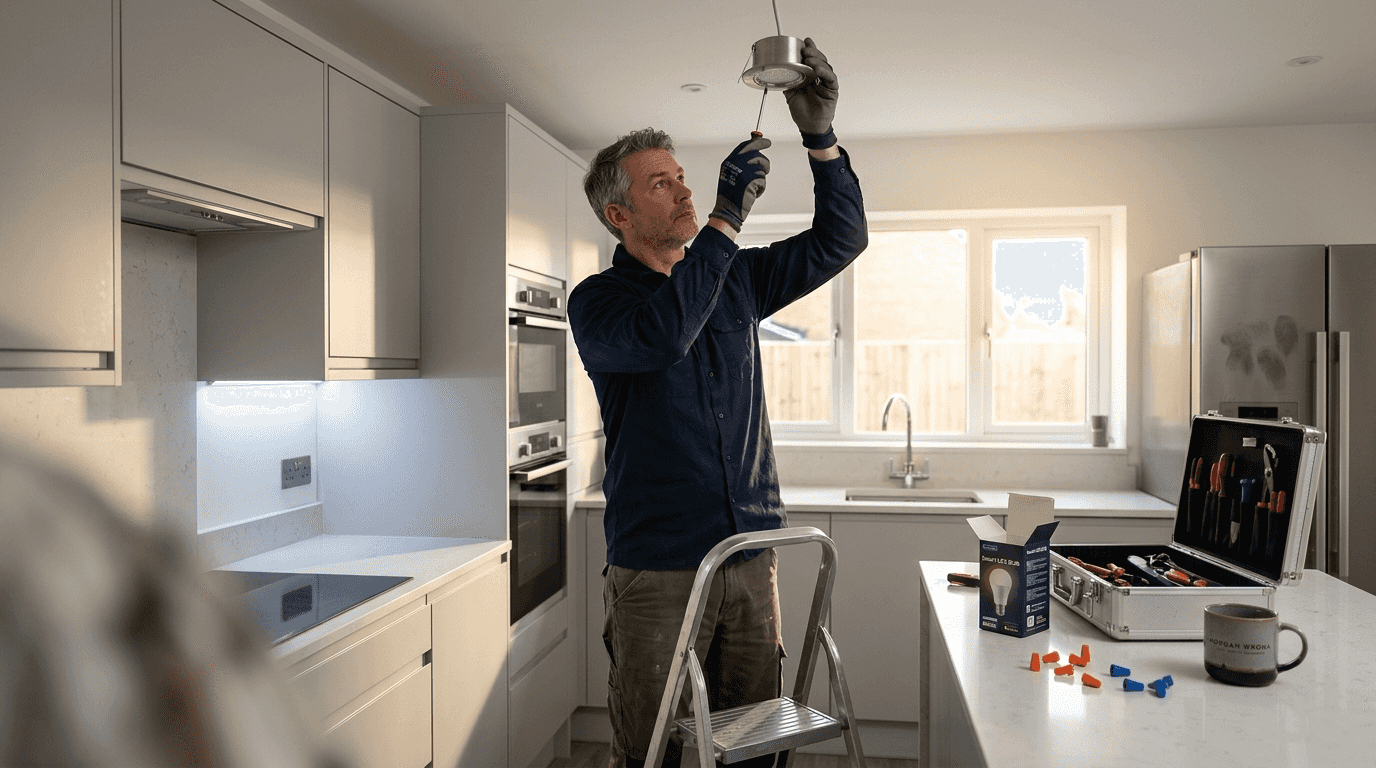
Task lighting requires 450 to 1000 lux depending on the activity’s precision demands. Kitchen worktops, study desks, and reading chairs need higher levels to prevent eye fatigue during focused work. This concentrated brightness stays localised, avoiding the flat appearance of overly bright ambient light.
Accent lighting uses directional fixtures rather than specific lux targets. The goal is creating contrast between highlighted features and surrounding surfaces. A piece of art might receive three times the illumination of adjacent walls, making it visually dominant. Adjustable beam angles and positioning matter more than absolute brightness.
Decorative lighting varies widely based on fixture design and placement. Entrance halls and dining rooms often feature statement pieces that contribute mood lighting whilst serving as focal points themselves. These fixtures prioritise visual impact over measured light output.
Matching lighting types to rooms and activities ensures your home supports how you actually live, balancing practical needs with aesthetic goals.
Lighting technology comparison and efficiency
The technology powering your fixtures profoundly affects energy consumption, maintenance needs, and environmental impact. LED lighting now dominates residential applications for good reason. Comparing options clarifies why.
LED bulbs last up to 25,000 hours whilst using up to 75% less energy than incandescent alternatives. This translates to replacing bulbs every decade rather than annually, reducing both cost and inconvenience. LEDs also emit minimal heat, improving comfort and safety in enclosed fixtures.
Halogen bulbs offer better colour rendering than older incandescent types but still consume substantial energy whilst generating significant heat. They last roughly 2,000 hours, requiring frequent replacement. Their higher operating temperatures increase cooling loads in summer.
Incandescent bulbs, now largely phased out, represent the least efficient option. They convert most energy into heat rather than light, lasting only 1,000 hours on average. Running costs far exceed initial savings on cheaper bulbs.
| Technology | Lifespan (hours) | Energy Use | Heat Emission | Best Use |
|---|---|---|---|---|
| LED | 25,000+ | Very Low | Minimal | All applications |
| Halogen | 2,000 | High | Significant | Limited specialist uses |
| Incandescent | 1,000 | Very High | Very High | Largely obsolete |
These efficiency gains compound when integrated with smart lighting design that optimises usage patterns. The combination reduces running costs whilst supporting sustainability goals.
Pro Tip: When retrofitting existing fixtures, verify LED compatibility with dimmer switches to avoid flickering or limited dimming range.
Lighting controls and automation for home environments
Once you’ve chosen appropriate fixtures and technology, controls determine how effectively your lighting adapts to changing needs. Modern automation transforms static installations into responsive systems that increase comfort whilst reducing waste.
Dimming and colour temperature adjustment personalise lighting mood throughout the day. Warmer tones in the evening support natural sleep cycles. Cooler, brighter light during daytime enhances alertness. These adjustments happen automatically or via simple interfaces.
Automation enables schedules and occupancy sensing that eliminate manual switching. Lights activate when you enter rooms and dim when spaces remain unused. This convenience pairs with energy savings, addressing both comfort and efficiency. Lighting control workflows integrate these capabilities seamlessly.
Smart controls reduce energy consumption by ensuring lights operate only when and where needed. Automated systems learn occupancy patterns, adjusting brightness based on natural light levels and time of day. This adaptability suits the varied activities that occur in architect-led homes.
User comfort improves as lighting automation removes the need for constant manual adjustment. Scenes tailored to specific activities activate instantly. Reading, entertaining, or relaxing each receive appropriate illumination without fumbling for switches.
Intelligent controls transform lighting from a static installation into a responsive system that adapts to how you actually live, increasing comfort whilst reducing energy waste.
Integrating smart home lighting early in the design process ensures wiring and infrastructure support these capabilities without retrofitting complexity.
Combining lighting types for balanced home ambience
Layering ambient, task, accent, and decorative lighting creates spaces that function well whilst looking intentional. This approach addresses both practical needs and aesthetic goals, avoiding the flat, institutional feel of single-source lighting.
Layering lighting reduces eye strain by approximately 30% compared to relying solely on overhead ambient sources. Multiple light sources at varying heights and intensities create visual comfort, eliminating harsh shadows and glare. Your eyes adapt more easily to these balanced conditions.
Balanced layers enhance spatial perception by up to 20%, making rooms feel larger and more inviting. Accent lighting adds depth by highlighting architectural details. Task lighting defines functional zones. Decorative elements introduce visual interest. Together, these layers create three-dimensional environments rather than flat, evenly lit boxes.
Combining types supports both function and design harmony. You can cook safely with task lighting, entertain guests under ambient illumination, and showcase art with accent spots, all within the same open-plan space. Each layer serves its purpose without compromising others.
Layering allows flexible lighting tailored to room activities. Living rooms might combine ambient ceiling fixtures, reading task lights, and decorative pendants. Kitchens layer ambient recessed lights with under-cabinet task strips and island pendants. This flexibility ensures spaces work for multiple uses.
The key is ensuring each layer operates independently, allowing you to activate combinations suited to specific moments rather than accepting a one-size-fits-all approach.
Consultation and installation considerations for home lighting
Successful lighting implementation requires careful planning and professional expertise. Collaboration with architects and lighting specialists ensures your system delivers intended results whilst meeting safety standards and design expectations.
Expert consultation ensures lighting matches your architectural vision. Specialists understand how fixture placement, beam angles, and colour temperatures interact with materials and spatial proportions. This knowledge prevents costly mistakes that compromise design intent.
Proper placement and wiring are critical for safety and effectiveness. Electrical codes govern circuit loading, fixture ratings, and installation methods. Professional installation ensures compliance whilst avoiding fire hazards from overloaded circuits or improperly secured fixtures.
Commissioning confirms system performance and intent alignment. After installation, specialists programme scenes, adjust dimming curves, and verify that automated functions operate correctly. This process ensures you receive the full benefit of your investment rather than accepting default settings.
Aftercare guarantees longevity and user satisfaction. Reputable providers offer support for troubleshooting, bulb replacement guidance, and system updates as technology evolves. This ongoing relationship maintains performance over decades. Following step by step design processes from consultation through aftercare ensures cohesive results.
Considering these practical aspects early prevents frustration and ensures your lighting performs as intended throughout your home’s life.
Situational lighting recommendations by room and purpose
Applying lighting types to specific rooms clarifies how theory translates into practice. Different spaces have distinct requirements that guide fixture selection and placement.
Ambient lighting suits living rooms, bedrooms, and circulation spaces where general visibility matters most. Recessed ceiling fixtures, cove lighting, or flush-mount fittings provide even illumination without dominating sightlines. These applications prioritise comfort over task-specific performance.
Task lighting proves ideal for kitchens, studies, bathrooms, and reading areas where focused activities demand precision. Under-cabinet strips illuminate kitchen worktops. Adjustable desk lamps support detailed work. Vanity lights eliminate shadows during grooming. Each application addresses specific functional needs.
Accent lighting highlights architectural features, artwork, or textured surfaces you want emphasised. Picture lights showcase paintings. Adjustable track lights graze stone walls to reveal texture. Uplights dramatise structural columns. These applications create visual interest and hierarchy.
Decorative lighting enhances entrance halls, dining rooms, and feature spaces where fixtures themselves contribute to design. Statement chandeliers welcome guests. Sculptural pendants define dining zones. Wall sconces add vertical interest. These elements balance function with aesthetic impact.
| Room Type | Primary Type | Secondary Type | Purpose |
|---|---|---|---|
| Living Room | Ambient | Decorative + Task | General comfort with reading zones |
| Kitchen | Task | Ambient | Precise work illumination with overall visibility |
| Study | Task | Ambient | Focused work lighting with background comfort |
| Bedroom | Ambient | Task | Relaxation with bedside reading light |
| Dining Room | Decorative | Ambient | Atmospheric centrepiece with functional backup |
| Hallway | Ambient | Accent | Safe circulation with architectural highlights |
This room-by-room approach ensures lighting serves how you actually use each space, balancing practical requirements with design intent.
Enhance your architect-led home with expert lighting solutions

Your home’s lighting should reflect the same care and attention that shaped its architecture. Tailored solutions ensure every fixture supports both function and design, creating environments that genuinely enhance how you live.
Explore detailed lighting workflows that guide implementation from initial concepts through commissioning. Discover how lighting automation adapts to your routines, increasing comfort whilst reducing energy consumption. Learn about smart lighting integration designed specifically for architecturally considered homes.
If you would like to discuss how these principles could work in your home, contact us or call 01793 315930.
Frequently Asked Questions
What are the main types of home lighting and their uses?
The four main types are ambient, task, accent, and decorative. Ambient provides general room illumination. Task focuses light on specific activities like cooking or reading. Accent highlights architectural features or artwork. Decorative fixtures add visual interest whilst contributing some illumination.
How does LED lighting compare to traditional bulbs?
LED bulbs last up to 25,000 hours and consume up to 75% less energy than incandescent or halogen alternatives. They emit minimal heat, improving safety and reducing cooling costs. This efficiency translates to lower running costs and less frequent replacement over decades of use.
Why is layering different lighting types important?
Layering reduces eye strain by approximately 30% and enhances spatial perception by up to 20%. Multiple light sources at varying heights create comfortable, visually interesting environments rather than flat, institutional spaces. This approach balances functional needs with aesthetic goals, supporting how you actually use your home.
What role do lighting controls play in home lighting?
Controls enable dimming, colour temperature adjustment, scheduling, and occupancy sensing that improve comfort whilst reducing energy waste. Smart systems adapt lighting to your routines and natural light levels automatically. This capability transforms static installations into responsive environments that support changing activities throughout the day.