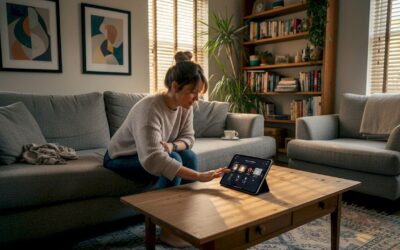
Stepping into a cinema room only to find yourself squinting in the dark or distracted by awkward glare is a familiar frustration for many homeowners in London and the South East. Intelligent lighting design transforms your home theatre experience, offering far more than mere visibility. By balancing ambient illumination with functional control, a bespoke approach supports architectural interiors while creating a comfortable space for extended viewing. Discover how thoughtful lighting supports daily functionality and elevates the unique character of your property.
Table of Contents
- Defining Lighting Design For Home Theatres
- Types Of Lighting And Their Distinct Roles
- How Lighting Affects Viewing And Comfort
- Integration With Controls And Daily Use
- Common Challenges And How To Avoid Them
Key Takeaways
| Point | Details |
|---|---|
| Lighting Balance | Effective home theatre lighting combines ambient, task, and accent lighting to create a comfortable viewing environment without distractions. |
| Dimmability Importance | Dimmable lights are essential for adapting the mood from pre-viewing to immersive film watching, enhancing the overall experience. |
| Integration of Control Systems | Using integrated control systems allows for seamless adjustments and specific scene settings to match various activities in the cinema room. |
| Architectural Considerations | Bespoke lighting design is crucial for architecturally unique spaces, ensuring practical solutions that accommodate the room’s features. |
Defining Lighting Design for Home Theatres
Lighting design for home theatres isn’t about darkness. It’s about creating the right light in the right place, at the right time, for the right reason.
Many homeowners assume a cinema room should be pitch black. In reality, this approach causes eye strain and fatigue during longer viewing sessions. Proper lighting design balances ambient illumination with functional control, allowing your eyes to adjust comfortably whilst maintaining picture quality.
Home theatre lighting serves three distinct purposes:
- Mood and atmosphere – Sets the emotional tone before, during, and after viewing
- Functional visibility – Ensures safe navigation and screen visibility without glare
- Picture quality – Reduces contrast stress and enhances colour perception on screen
The difference between a dark room and a well-lit theatre space is noticeable within minutes. A properly designed scheme prevents that uncomfortable sensation of sitting in complete darkness, which can actually heighten eye strain over time.
Understanding the Technical Foundation
Lighting design balances mood-setting ambient lighting with functional illumination, creating an environment where viewers feel comfortable rather than uncomfortable. The goal is subtle, indirect light that enhances rather than distracts.
Colour temperature matters significantly here. Warm white light between 2700K and 3000K creates an inviting atmosphere without the jarring coolness of brighter, bluer tones. This range feels natural to the eye and pairs beautifully with architectural interiors typical in South East homes.
Bias lighting – strategically placed LED strips behind screens – serves a specific function. It reduces the contrast stress between bright on-screen content and dark surroundings, making extended viewing sessions more pleasant. Your eyes work less hard when there’s gentle light behind the display.
LED technology offers flexibility that older lighting methods simply cannot match. You can position strips precisely, adjust colour temperature, and even dim them independently. This adaptability is crucial in architecturally interesting spaces where standard lighting solutions won’t fit.
Effective lighting design isn’t about creating darkness. It’s about creating control, comfort, and the right visual environment for your viewing experience.
Why This Matters for Your Home
Architecturally designed properties often feature challenging room dimensions – high ceilings, unusual wall angles, or multiple levels. Generic lighting approaches fail in these spaces. A bespoke design acknowledges your room’s unique characteristics and works with them rather than against them.
The principles governing lighting design draw from both art and science. Understanding how light generates emotion and supports visual storytelling allows your cinema space to become more than just a screen. It becomes a considered environment where every element serves a purpose.
Your daily viewing comfort depends on these foundational decisions made during the design phase. Getting this right from the start prevents costly adjustments later.
Pro tip: Start by observing how natural light moves through your cinema space at different times of day. This shows you where shadows naturally fall and where additional control will matter most during viewing.
Types of Lighting and Their Distinct Roles
Home theatre lighting isn’t one-size-fits-all. Each type of light serves a specific function, and understanding these roles helps you create a space that feels both comfortable and purposeful.
Think of your cinema room like a stage. Different lights create different effects, and each one matters. The key is knowing when to use each type and how they work together.
The Three Core Categories
Home theatre lighting combines ambient, task, and accent lighting to create a comfortable viewing experience without glare or distraction. Each category serves a distinct purpose in your space.
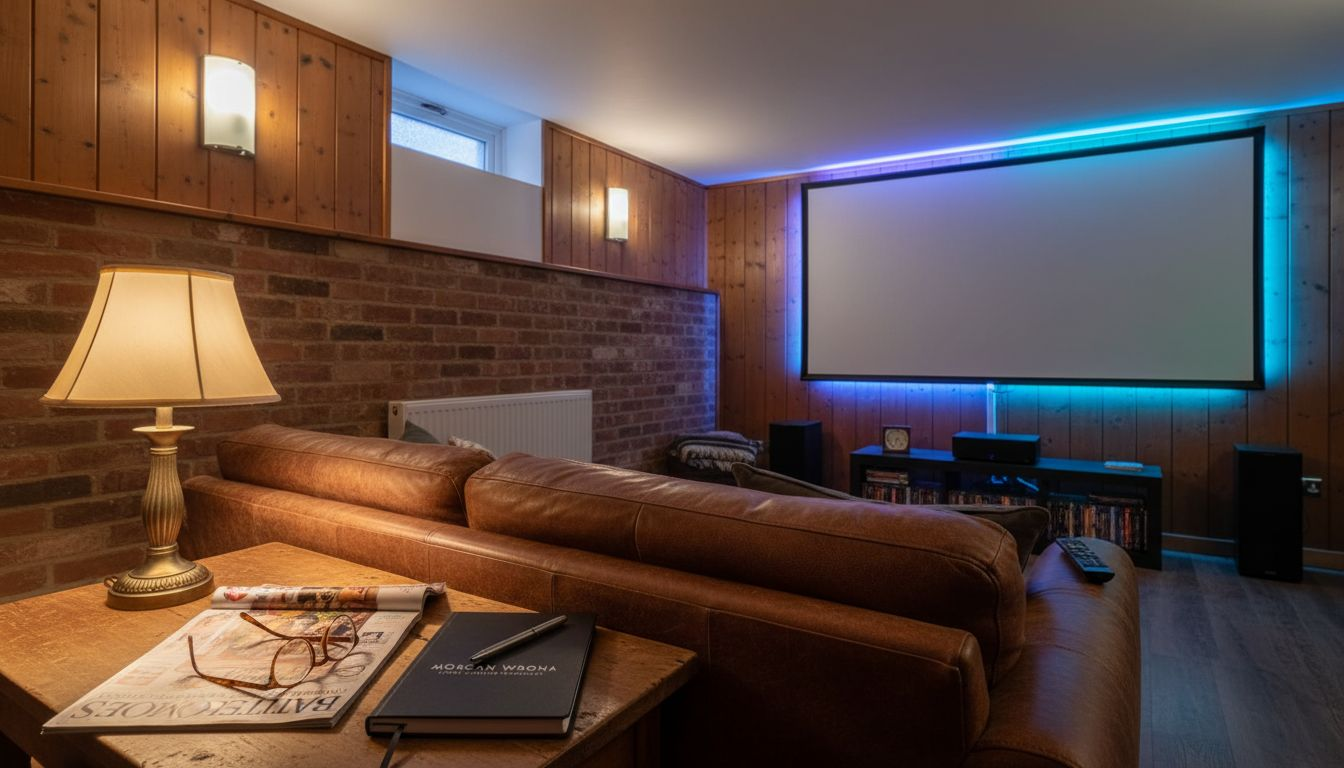
Ambient lighting provides gentle, overall illumination that fills the room. This isn’t bright overhead light—it’s soft, indirect lighting that prevents the uncomfortable sensation of sitting in complete darkness. Ambient light keeps your eyes comfortable during extended viewing.
Task lighting supports practical needs. Reading channel guides, navigating safely to your seat, or finding the remote control all require localised illumination. Task lighting is dimmable and positioned strategically so it won’t create screen glare.
Accent lighting adds personality and mood. This is where LED strips behind screens, wall sconces, and fibre optic effects come into play. Accent lighting enhances architectural features and creates the cinematic atmosphere you’re after.
To clarify how each lighting category supports cinema room experience, see the table below:
| Lighting Category | Typical Purpose | Example Fixtures |
|---|---|---|
| Ambient | Overall comfort and illumination | Dimmable overhead lights |
| Task | Practical activities and safety | Seat-side lamps, spotlights |
| Accent | Mood and architectural highlights | LED strips, wall sconces |
Practical Lighting Types
Different fixtures deliver these categories in various ways:
- Overhead lighting – General ambient illumination, must be dimmable to avoid washing out screen contrast
- Wall sconces – Indirect, soft light that feels elegant without being functional overkill
- LED light strips – Flexible accent lighting, perfect for bias lighting behind screens or along architectural details
- Fibre optic lighting – Creates subtle starfield effects or mood accents without heat or glare
- Seat-side lamps – Localised task lighting for reading or navigation without affecting the main viewing area
Each type plays a role. None should dominate unless deliberately chosen for that moment.
Why Dimmability Matters
Dimmable lighting is non-negotiable. Your cinema room needs to adapt. When you’re watching a film, ambient and accent lighting dim down significantly. When you’re settling in beforehand, lights are brighter for comfort and safety.
This flexibility transforms your space. The same room becomes an entertaining area before the film and an immersive theatre during it.
Effective cinema lighting isn’t about having the right fixtures. It’s about having the right control over them at the right moment.
Architecturally interesting properties often require creative fixture placement. A high ceiling doesn’t suit standard wall sconces. Unusual angles need thoughtfully positioned LED strips. This is why bespoke design matters—standard lighting rarely fits architecturally designed homes.
Pro tip: Start with ambient and task lighting first, then layer in accent lighting last. This prevents over-lighting and ensures each fixture earns its place in your design.
How Lighting Affects Viewing and Comfort
Lighting doesn’t just illuminate your cinema room. It shapes how you see, how you feel, and how long you can comfortably watch without fatigue.
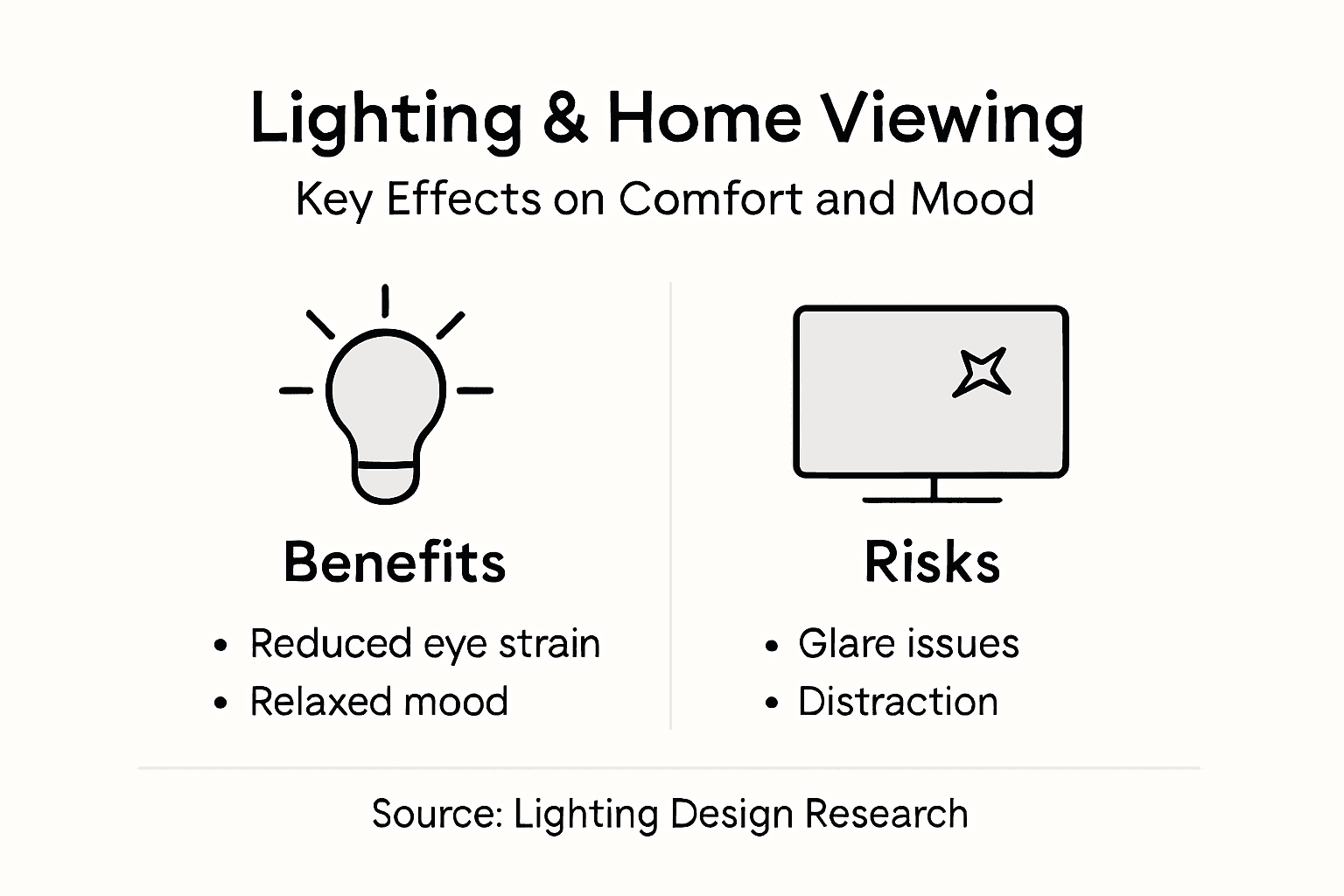
The science is clear: poor lighting causes eye strain, headaches, and reduced focus. Good lighting does the opposite. It enhances your viewing experience whilst keeping you relaxed throughout.
The Eye Strain Problem
Indoor lighting significantly impacts visual perception and cognitive performance, affecting everything from focus to comfort during extended viewing sessions. Your eyes work harder under poor lighting conditions, leading to fatigue within minutes.
When contrast between your screen and surroundings is too extreme, your pupils constantly adjust. This constant refocusing exhausts the muscles around your eyes. After an hour, you feel tired even though you’ve only been sitting.
Proper ambient lighting eliminates this stress. Your eyes settle into a comfortable state rather than working overtime.
Colour Temperature and Mood
Colour temperature profoundly affects both mood and visual perception. Warm light (2700K–3000K) feels inviting and relaxed. Cool light (5000K and above) feels clinical and stimulating.
For cinema viewing, warm light is essential. It prepares your mind for relaxation rather than alertness. This matters more than you might think—the wrong colour temperature can undermine your entire viewing experience.
Before your film starts, warm ambient lighting creates anticipation. As the film begins and lights dim, your brain shifts into immersion mode naturally.
Brightness and Glare Control
Three factors determine viewing comfort:
- Appropriate brightness levels – Bright enough to prevent eye strain, dim enough to not wash out screen contrast
- Glare elimination – No light sources visible to the viewer or reflecting off the screen
- Indirect light placement – Light bounces off surfaces rather than shining directly at eyes
Direct light sources—bare bulbs, unshielded fixtures—create glare. This forces your eyes to work harder and reduces picture quality. Indirect lighting, like LED strips bounced off ceilings or walls, provides comfort without compromise.
The Long-Term Comfort Advantage
Comfortable lighting supports extended viewing without fatigue. After two or three hours, you notice the difference. With poor lighting, discomfort builds gradually. With good lighting, you forget about your surroundings entirely.
Architecturally designed homes often have unique spatial challenges. High ceilings, sloped walls, or open layouts require carefully planned lighting. Generic solutions fail because they don’t account for how light actually moves through your specific room.
Effective lighting design isn’t about brightness. It’s about creating visual conditions where your eyes can relax whilst staying engaged with the screen.
Architectural Considerations
Your room’s dimensions, materials, and finishes all influence lighting needs. A room with dark timber walls absorbs light differently than one with pale plaster. Light-coloured ceilings reflect ambient light more effectively than dark surfaces.
Lighting control workflows enable seamless adjustment of brightness and colour temperature throughout your viewing session. This adaptability is crucial for maintaining comfort as your eyes adjust from bright pre-film preparation to dimmed viewing.
Pro tip: Test your lighting at different times of day and with various film genres. Thrillers might need slightly different ambient levels than dramas. Observe what feels natural to your eyes rather than guessing.
Integration with Controls and Daily Use
Lighting design only works when it’s simple to use. A beautifully lit cinema room loses its appeal if adjusting the lights requires complicated steps or multiple remotes.
This is where control systems become essential. They transform your lighting design from static to adaptive, allowing your space to serve multiple purposes throughout the day.
Moving Beyond Manual Switches
Traditional dimmer switches work, but they’re limited. You adjust one circuit at a time, fumbling in the dark to find the right brightness. By the time you’ve settled in, you’ve lost the mood you were trying to create.
Integrated lighting control systems let you preset scenes—specific combinations of brightness, colour temperature, and which fixtures are on. One button creates your “film viewing” scene. Another creates your “settling in” scene. A third suits everyday use.
This simplicity matters more than it sounds. When controls feel effortless, you actually use them.
Scenes for Every Moment
Your cinema room isn’t just for films. It’s where you might settle in with a book, entertain guests, or simply relax. Different activities benefit from different lighting.
Consider these practical scenes:
- Pre-viewing – Warm ambient light, full brightness for comfortable navigation and conversation
- Film viewing – Minimal ambient light, bias lighting active, task lighting dormant
- Intermission – Gradual brightness increase without jarring transitions
- Reading – Focused task lighting on seating areas, ambient light reduced
- Entertaining – Balanced ambient and accent lighting, creating welcoming atmosphere
Each scene should activate with a single command—a button, voice instruction, or smartphone tap.
Adaptability Throughout the Day
The role of lighting control shapes how you live daily, extending beyond cinema viewing into genuine lifestyle integration. Morning use differs from evening use. Weekday routines differ from weekend entertaining.
Good control systems learn your preferences. If you always dim to 40% brightness when a particular film starts, the system can anticipate this. If you prefer slightly warmer light in autumn, seasonal adjustments become automatic.
This adaptability prevents your cinema room from feeling like a specialist space. It becomes part of your home’s natural rhythm.
Installation and Commissioning
Proper control integration requires thoughtful planning during design, not retrofitting afterwards. Lighting circuits, dimmer compatibility, and control pathways must be determined early.
Architecturally designed homes sometimes have constraints—listed building status, period features, or unusual wiring configurations. A bespoke approach acknowledges these limitations and works within them.
Effective lighting control feels invisible. You never think about the system. You simply experience the perfect light for whatever you’re doing.
Long-Term Flexibility
Your preferences evolve. What felt perfect when your cinema room was new might need adjustment years later. Scalable control systems allow upgrades without complete reinstallation.
Adding new fixtures, adjusting scenes, or integrating new technology should be straightforward. This flexibility protects your investment and ensures your space adapts as your needs change.
Pro tip: Test your lighting control scenes in different times of day before final commissioning. How a scene feels at dusk differs from how it feels at midnight. Real-world testing reveals what works versus what merely sounds good on paper.
Common Challenges and How to Avoid Them
Lighting design for home theatres sounds straightforward until you actually install it. Real-world complications emerge—incompatible devices, network issues, competing systems. Understanding these pitfalls prevents costly mistakes and frustration.
Most problems stem from poor planning rather than poor products. Addressing these during the design phase costs far less than fixing them afterwards.
Device Compatibility and Integration
Challenges in integrating lighting control with home theatre systems include device compatibility and network reliability, which can undermine your entire setup if not addressed upfront.
Mixing different brand ecosystems creates friction. Your cinema lighting runs on one platform, your home automation on another, and nothing communicates seamlessly. You end up with multiple apps, multiple remotes, and multiple frustrations.
The solution is simple in theory but requires discipline in practice: select widely supported platforms before installation begins. Standards like Matter, Z-Wave, or Zigbee offer better interoperability than proprietary systems.
Here’s a reference table explaining common lighting control platforms and their suitability for home theatre integration:
| Platform | Interoperability Strength | Suitability for Home Theatres |
|---|---|---|
| Matter | High, broad device support | Excellent for seamless control |
| Z-Wave | Robust mesh network | Ideal for complex home installations |
| Zigbee | Wide compatibility, low energy | Effective for multi-room control |
| Proprietary | Limited, brand-specific only | Risk of app and remote confusion |
Network and Connectivity Issues
Wireless lighting systems depend on reliable network infrastructure. A weak Wi-Fi signal in your cinema room causes delays, drops, or complete failures during use.
This isn’t a minor inconvenience. Imagine a scene not activating mid-film, or lights flickering because the signal dropped. These moments destroy immersion.
Avoid this by:
- Planning your network infrastructure during design, not after
- Installing dedicated access points in cinema areas if necessary
- Using wired connections where possible for critical circuits
- Testing connectivity extensively before final commissioning
Professional installation ensures network architecture supports your lighting demands rather than merely hoping it works.
Firmware Updates and Maintenance
Smart lighting systems require occasional updates. Outdated firmware introduces security vulnerabilities and limits compatibility with newer devices.
But updates sometimes cause problems. A routine firmware update might change how scenes behave or introduce unexpected bugs. This shouldn’t happen, yet it does.
Plan for this by establishing a maintenance schedule with your installer. Regular check-ups catch issues before they disrupt your viewing experience.
User Confusion and Scene Design
Over-complicated scene programming confuses users. If your lighting system requires navigation through multiple menus to accomplish simple tasks, people stop using it.
The solution is thoughtful scene design. Limit scenes to what actually matters—your specific viewing scenarios, not every theoretical possibility.
Test scenes with real users in real situations. How a scene feels on paper differs from how it feels during actual use.
Security Considerations
Potential security vulnerabilities arise from multiple remotes or apps interfering with your system, exposing your home network if not properly secured.
Ensure your installer implements cybersecurity best practices—strong passwords, network segregation, and regular security updates. Your cinema lighting shouldn’t become a backdoor into your home network.
Most lighting problems aren’t inevitable. They’re preventable through proper planning, professional installation, and realistic expectations about what automation can actually do.
Pro tip: Document your lighting system thoroughly—which circuits control what, scene settings, network credentials, installer contact details. Store this information somewhere safe and easily accessible, not buried in email from years ago.
Enhancing Your Home Viewing Experience Through Thoughtful Lighting Design
The article highlights how carefully considered lighting design can transform your home theatre into a comfortable and visually harmonious space. Challenges such as eye strain, glare, and the complex balance between ambience and functionality often leave homeowners uncertain about the best approach. Addressing factors like ambient, task, and accent lighting alongside adaptable control systems ensures your cinema room supports long viewing sessions without fatigue, while adapting seamlessly to your daily routines.
At Morgan Wrona, we understand the importance of bespoke lighting solutions that respect the architectural nuances of your home. Our process involves detailed consultation, tailored system design, and precise commissioning, ensuring that lighting is a part of your home’s natural rhythm rather than an afterthought. By integrating intuitive controls and warm colour temperature lighting, we help you avoid common pitfalls such as harsh glare and inconvenient operation, resulting in a viewing space that truly supports comfort and visual engagement.
If you would like to explore how intelligent lighting can be seamlessly integrated into your home theatre, download our brochure for a clearer insight.
Experience the difference a considered lighting design can make. For a personalised conversation on how this can enhance your home environment, please contact us or call 01793 315930 to begin the journey.
Frequently Asked Questions About Lighting design
What are the key purposes of lighting design in home theatres?
Lighting design in home theatres serves three main purposes: creating mood and atmosphere for an emotional viewing experience, providing functional visibility for safe navigation and screen clarity, and enhancing picture quality by reducing contrast stress and improving colour perception.
Why is it important to have dimmable lighting in a home theatre?
Dimmable lighting is crucial in a home theatre as it allows you to adjust brightness levels based on the activity. Brighter settings are useful for navigation and pre-show activities, while dimmer settings enhance immersion during film viewing, preventing eye strain and maintaining picture quality.
How does colour temperature impact the viewing experience in home theatres?
Colour temperature significantly influences the viewing experience; warm white light (between 2700K and 3000K) creates an inviting atmosphere conducive to relaxation, whereas cooler temperatures may feel clinical and overstimulating, potentially detracting from the enjoyment of the film.
What types of lighting fixtures are best suited for home theatre environments?
Ideal lighting fixtures for home theatres include dimmable overhead lights for ambient illumination, wall sconces for soft indirect light, LED strips for accent lighting, and seat-side lamps for task lighting, each serving a specific purpose to optimise the viewing experience.