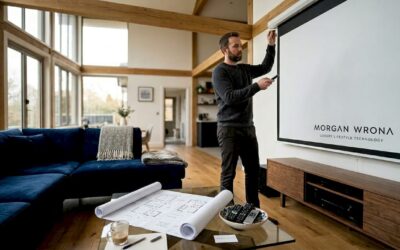
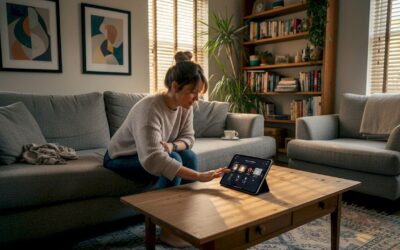
Many homeowners assume that smart home cinema systems will clash with their carefully planned architectural design, introducing bulky equipment and visible technology that disrupts visual harmony. The reality is quite different. When thoughtfully integrated, these systems enhance both the aesthetic and functional qualities of architect-led properties, creating spaces that adapt to how you live whilst preserving the design integrity you value. This guide will walk you through the practical considerations, benefits, and features that make smart cinema integration a natural extension of thoughtful home design.
Table of Contents
- What Are Smart Home Cinema Systems?
- Benefits Of Integrating Smart Home Cinema Systems In Architect-Led Properties
- Key Features To Consider For Smart Home Cinema Systems In Architecturally Designed Homes
- Installing And Optimising Smart Home Cinema Systems: Practical Steps And Maintenance
- Enhance Your Home Cinema With Professional Smart Solutions
- Frequently Asked Questions
Key takeaways
| Point | Details |
|---|---|
| Integration enhances design | Thoughtful system planning increases property value whilst maintaining architectural integrity |
| Smart lighting improves experience | Automated lighting control reduces eye strain and adapts to different viewing scenarios |
| Energy efficiency reduces costs | Intelligent systems can cut energy consumption by up to 30% through optimised usage patterns |
| Customisation fits your home | Systems adapt to your architectural style and daily routines rather than dictating them |
| Professional planning delivers results | Expert installation ensures seamless functionality without compromising design vision |
What are smart home cinema systems?
A smart home cinema system brings together audiovisual technology and home automation in a way that responds to how you use your space. Rather than standalone equipment requiring manual operation, these systems integrate projectors or displays, audio components, and lighting controls into a unified platform you can manage from a single interface. Smart home cinema systems integrate audiovisual technology with home automation for enhanced user experience, creating an environment that adapts to your needs without constant adjustment.
The core components work together to create this experience:
- Display technology: Projectors or large-format screens chosen to suit room dimensions and viewing distances
- Audio systems: Speakers positioned to deliver balanced sound whilst remaining visually discreet
- Automation controls: Platforms like Control4 or Lutron that manage lighting, blinds, temperature, and AV equipment from one interface
- Smart lighting: Adjustable illumination that transitions between everyday use and cinema modes
- Network infrastructure: Reliable connectivity supporting streaming services and system updates
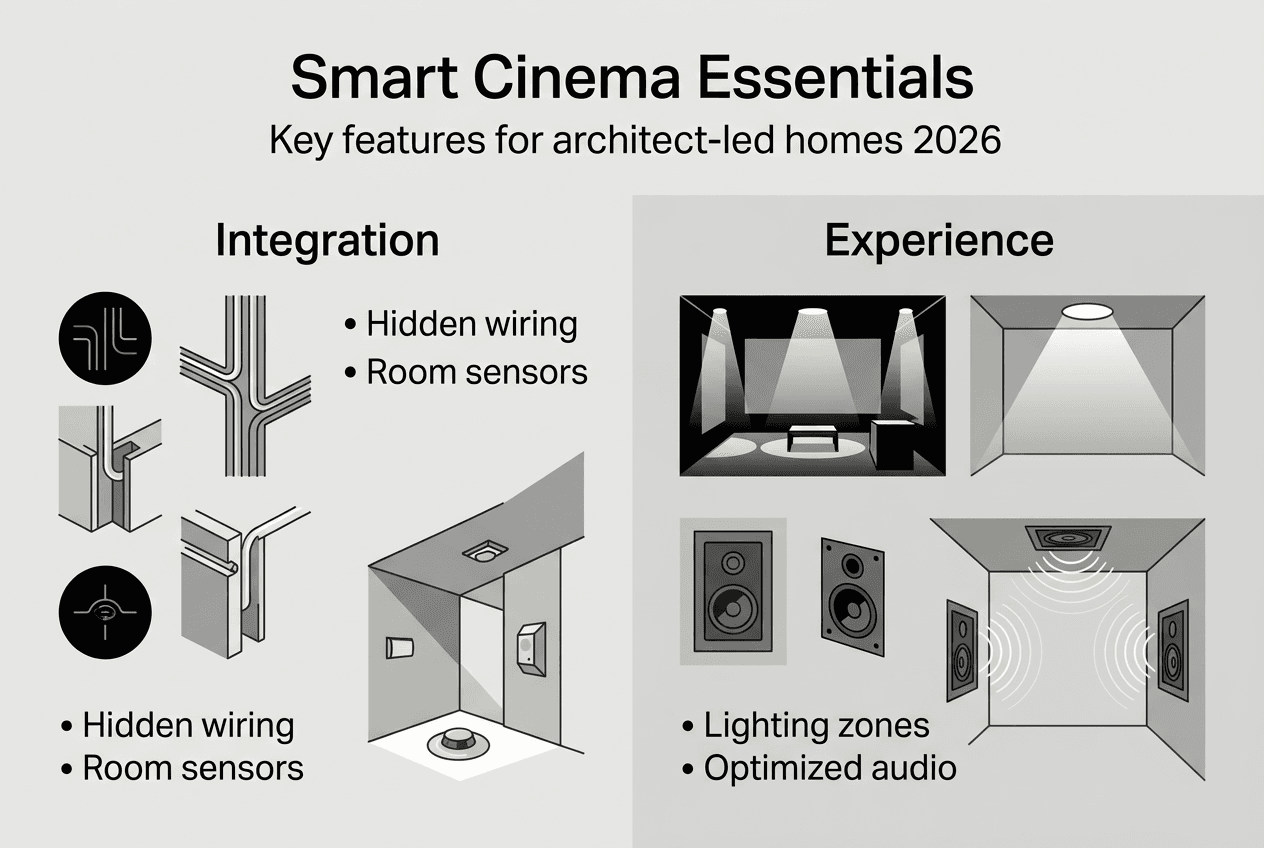
For architect-designed homes, integration means considering these elements during the planning stage rather than retrofitting them later. Concealed wiring, built-in speakers, and recessed screens maintain clean lines and uninterrupted surfaces. The technology serves the space rather than dominating it.
This approach matters because your home’s design reflects careful thought about proportion, light, and material. A cinema system should enhance these qualities, not compromise them. When home cinema automation concepts align with architectural intent, the result feels inevitable rather than added on. You gain functionality without visual clutter, and the system becomes part of how the space works rather than something separate you need to manage.
Benefits of integrating smart home cinema systems in architect-led properties
Integrating a smart cinema system in your architect-designed home delivers tangible benefits that extend beyond entertainment. Design-led home cinema concepts can boost property value by up to 20%, making this a considered investment rather than an indulgence. Buyers increasingly expect integrated technology in thoughtfully designed properties, and a well-executed cinema system signals attention to detail and long-term thinking.
The daily living improvements are equally significant:
- Adaptive environments: Lighting and temperature adjust automatically when you start a film, creating the right atmosphere without manual intervention
- Simplified operation: One touch on a tablet or wall panel manages multiple systems, removing the complexity of separate remotes and controls
- Flexible spaces: Rooms serve multiple purposes, transitioning from everyday living areas to cinema spaces as needed
- Acoustic comfort: Properly integrated systems deliver clear sound at comfortable volumes, avoiding the harshness of poorly positioned speakers
The aesthetic benefits deserve particular attention in architect-led properties. Subtle automation maintains the visual coherence your architect worked to achieve. Motorised blinds descend smoothly, lighting dims to preset levels, and screens emerge from concealed housings without disrupting sightlines or proportions. The technology recedes when not in use, preserving the architectural qualities that drew you to the property.
“Proper lighting control shapes both everyday living comfort and cinema experience, adapting to natural light levels and time of day whilst reducing unnecessary energy consumption.”
Energy and comfort considerations add another dimension. Lighting control in cinemas extends beyond the viewing experience to influence how you use the entire space throughout the day. Automated systems learn your patterns, adjusting illumination to match natural light changes and occupancy. This reduces running costs whilst maintaining comfort, and the environmental benefits align with the sustainable thinking often embedded in contemporary architectural design.
The home cinema design benefits compound over time as you discover new ways the system supports daily life. Family gatherings, quiet evenings, and entertaining guests all benefit from environments that adapt without fuss. The investment enhances how you live rather than simply adding features.
Key features to consider for smart home cinema systems in architecturally designed homes
Selecting the right features ensures your cinema system complements your home’s architectural character whilst delivering the functionality you need. Start with audiovisual technology scaled to your space. A smaller room benefits from a carefully positioned screen and focused audio, whilst larger spaces can accommodate more ambitious setups. The key is proportion, you want immersive sound and clear visuals without overwhelming the room’s other qualities.
Lighting deserves careful consideration:
- Ambient lighting: Soft, indirect illumination that maintains visibility without glare during films
- Task lighting: Focused lights for reading or conversation when the cinema isn’t in use
- Accent lighting: Architectural highlighting that emphasises design features and creates depth
- Automated transitions: Scenes that shift smoothly between modes as you move from everyday use to cinema viewing
Energy-efficient lighting and automation can reduce energy use by 30% through intelligent scheduling and occupancy sensing. This matters not just for running costs but also for environmental impact. Energy-efficient home lighting systems adjust brightness based on natural light availability and room usage, ensuring you use only what you need.
Control systems vary in complexity and customisation:
| System Type | Best For | Considerations |
|---|---|---|
| Integrated platforms (Control4, Crestron) | Whole-home automation with cinema as one element | Higher initial cost, extensive customisation, professional programming required |
| Dedicated cinema controllers | Focused AV control with simpler operation | Lower cost, easier setup, limited integration with other home systems |
| Hybrid approaches | Combining dedicated cinema control with smart home platforms | Balanced functionality, moderate complexity, good for phased installation |
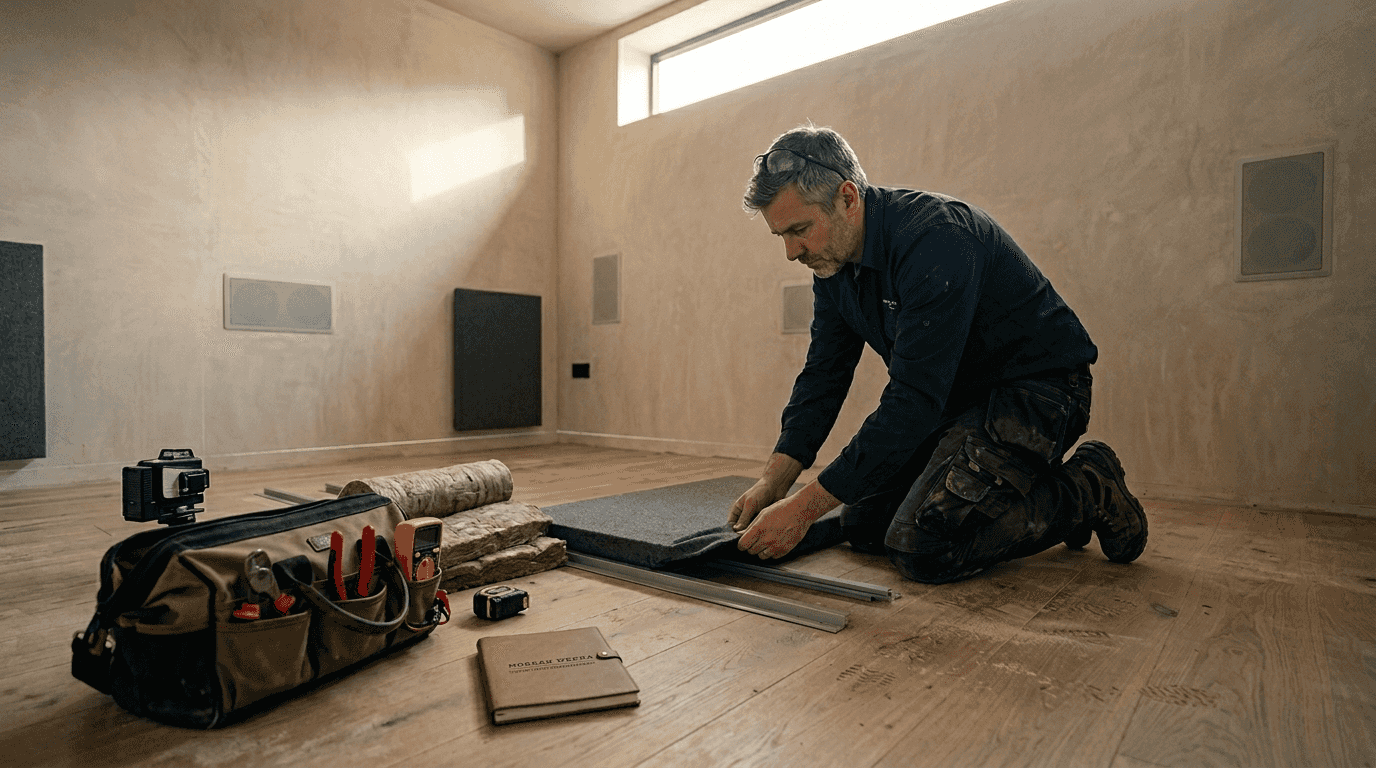
Acoustic treatment balances sound quality with design. Fabric-wrapped panels, carefully positioned rugs, and upholstered furniture absorb sound reflections without looking like a recording studio. Your architect or interior designer can integrate these elements naturally, maintaining the room’s intended character whilst improving audio clarity.
Pro Tip: Concealed wiring and minimalist control panels maintain design integrity. Plan cable routes during construction or renovation, using walls and floors to hide infrastructure. Surface-mounted conduits and visible cables undermine the clean lines that define architect-designed spaces. Similarly, choose control interfaces that blend with your interior scheme, whether that’s discrete wall keypads or tablets in architectural finishes.
Installing and optimising smart home cinema systems: practical steps and maintenance
Successful installation begins with collaboration between your architect, interior designer, and technology specialist. This ensures the system integrates seamlessly with structural and aesthetic considerations. Professional installation ensures seamless integration without compromising architectural design, addressing technical requirements whilst respecting the design vision that shapes your home.
The planning process typically follows these steps:
- Initial consultation: Discuss how you’ll use the space, preferred viewing experiences, and integration with existing or planned architectural features
- System design: Select components that match room acoustics, viewing distances, and aesthetic requirements
- Infrastructure planning: Route cables, plan equipment locations, and coordinate with construction schedules
- Installation: Mount displays, position speakers, install control systems, and integrate lighting
- Commissioning: Programme automation scenes, calibrate audio and video, and train you on system operation
- Handover: Provide documentation and establish maintenance schedules
Key installation considerations preserve your home’s design integrity. Equipment racks belong in dedicated spaces like utility rooms or purpose-built cupboards, not visible within living areas. Speakers can be built into walls or ceilings, maintaining clean surfaces. Motorised screens and projector lifts remain hidden until needed, and control panels sit flush with walls rather than protruding.
Routine maintenance keeps your system performing well:
- Clean projector filters and lenses quarterly to maintain image quality
- Dust speaker grilles and check connections annually
- Update software as manufacturers release improvements, typically twice yearly
- Test automation scenes periodically to ensure lighting and blind controls respond correctly
- Schedule professional check-ups every two years for calibration and component inspection
Pro Tip: Remote management capabilities let technicians diagnose issues and update software without visiting your home. This saves time and ensures your system stays current with minimal disruption. Many platforms include monitoring that alerts specialists to potential problems before they affect your experience, allowing proactive maintenance rather than reactive repairs.
The relationship with your technology specialist continues beyond installation. As you use the system, you’ll discover refinements that improve daily operation. Perhaps a lighting scene needs adjustment, or you want to add control of new devices. Professional cinema installation includes ongoing support that adapts the system as your needs evolve, ensuring it remains valuable rather than becoming outdated.
Enhance your home cinema with professional smart solutions
If you’re considering how a smart cinema system could work within your architect-designed home, professional guidance ensures the result enhances both design and daily living. Thoughtful home cinema automation services begin with understanding your space and how you use it, then develop solutions that feel natural rather than imposed. Expert lighting automation solutions complement your cinema whilst improving comfort throughout your home, creating environments that adapt to your routines.
The design-led approach considers architectural context, material choices, and long-term functionality. Home cinema design concepts developed with your property’s unique qualities in mind deliver systems that add value whilst preserving the character that makes your home distinctive. If you’d like to discuss how this could work in your home, contact us or call 01793 315930.
Frequently asked questions
What is a smart home cinema system?
A smart home cinema system combines audiovisual equipment with home automation technology, allowing you to control displays, sound, lighting, and environmental settings from a single interface. Rather than managing separate remotes and switches, you access everything through a tablet, wall panel, or smartphone app. The system adapts to different uses, whether you’re watching films, listening to music, or using the space for everyday activities.
How does smart lighting improve the home cinema experience?
Smart lighting adjusts automatically when you start viewing, dimming to appropriate levels that reduce eye strain whilst maintaining enough illumination to move safely. Proper lighting control reduces eye strain and enhances immersion by eliminating glare and reflections that distract from the screen. Between films, lighting transitions smoothly back to everyday levels, and you can create custom scenes for different activities without manual adjustment.
Can smart home cinema systems increase property value?
Yes, well-integrated systems appeal to buyers seeking properties where technology enhances rather than clutters the design. Design-led home cinema concepts can boost property value by up to 20%, particularly in architect-designed homes where attention to detail signals quality throughout. The key is integration that feels intentional rather than retrofitted, with infrastructure planned during construction and components chosen to complement architectural character.
What maintenance is needed for smart home cinema systems?
Regular software updates keep your system secure and functioning smoothly, typically released twice yearly by manufacturers. Clean projector filters and lenses quarterly to maintain image clarity, and dust speaker grilles annually. Professional check-ups every two years ensure calibration remains accurate and identify any components needing attention before they fail. Most maintenance is straightforward, and remote management capabilities allow technicians to handle many tasks without visiting your home.