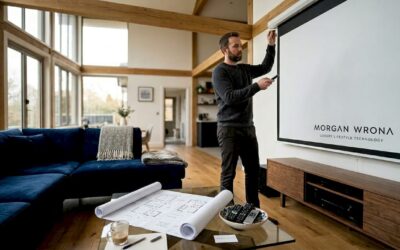
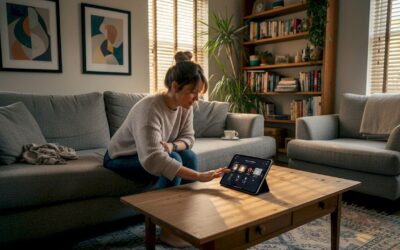
Many homeowners believe a home cinema simply means mounting a large screen and adding speakers. This misconception overlooks the architectural integration, acoustic design, and automation that define a truly bespoke cinema experience. A properly designed home cinema transforms how you experience film, television, and entertainment within your living environment. It considers room acoustics, lighting control, seating comfort, and technology integration to create an immersive space that complements your home’s design. This guide explains what constitutes a genuine home cinema in architecturally designed properties and how to create one that enhances both your daily life and property value.
Table of Contents
- Key takeaways
- Understanding the concept of home cinema
- Essential design principles for home cinema spaces
- Technology components and automation in home cinema systems
- Optimising comfort and acoustic performance in home cinemas
- Enhance your home cinema with expert architectural lighting and automation
- Frequently asked questions
Key Takeaways
| Point | Details |
|---|---|
| Architectural integration | A genuine home cinema should be architecturally integrated so it feels part of the home rather than an add on. |
| Acoustic treatment essentials | The design should address room acoustics with reflection control absorption diffusion and bass management to deliver clear dialogue and refined sound. |
| Lighting and control | Lighting should adapt to content and viewing preferences and be integrated with simple control interfaces. |
| Seating and sightlines | Seating must provide optimal viewing angles and ensure unobstructed sightlines while supporting acoustic performance. |
Understanding the concept of home cinema
A home cinema involves custom audiovisual setup designed for optimal viewing and sound quality. It extends far beyond placing a television in a room. The system encompasses carefully selected display technology, surround sound speakers positioned for acoustic precision, and environmental controls that work together to create an immersive experience.
The fundamental components of a properly designed home cinema include:
- Display technology matched to room dimensions and viewing distances
- Surround sound system with speakers positioned according to acoustic principles
- Acoustic treatment materials that control sound reflection and absorption
- Seating designed for optimal viewing angles and comfort during extended viewing
- Lighting systems that adapt to different content and viewing preferences
- Control systems that manage all components through simple, intuitive interfaces
Architectural integration distinguishes a thoughtfully designed cinema from a collection of equipment. The system should feel like a natural part of your home rather than an afterthought. This means considering how speakers integrate with wall finishes, how screens or projectors fit within ceiling designs, and how cabling remains invisible. When technology and architecture work together, the cinema becomes part of your home’s character rather than competing with it.
The difference becomes apparent in daily use. A well-integrated system responds to your needs without requiring technical knowledge. You adjust lighting, sound, and display with simple commands. The room itself supports the experience through acoustic properties that enhance dialogue clarity and musical detail. This level of integration requires planning from the earliest design stages, working with specialists who understand both technology and architectural context.
Essential design principles for home cinema spaces
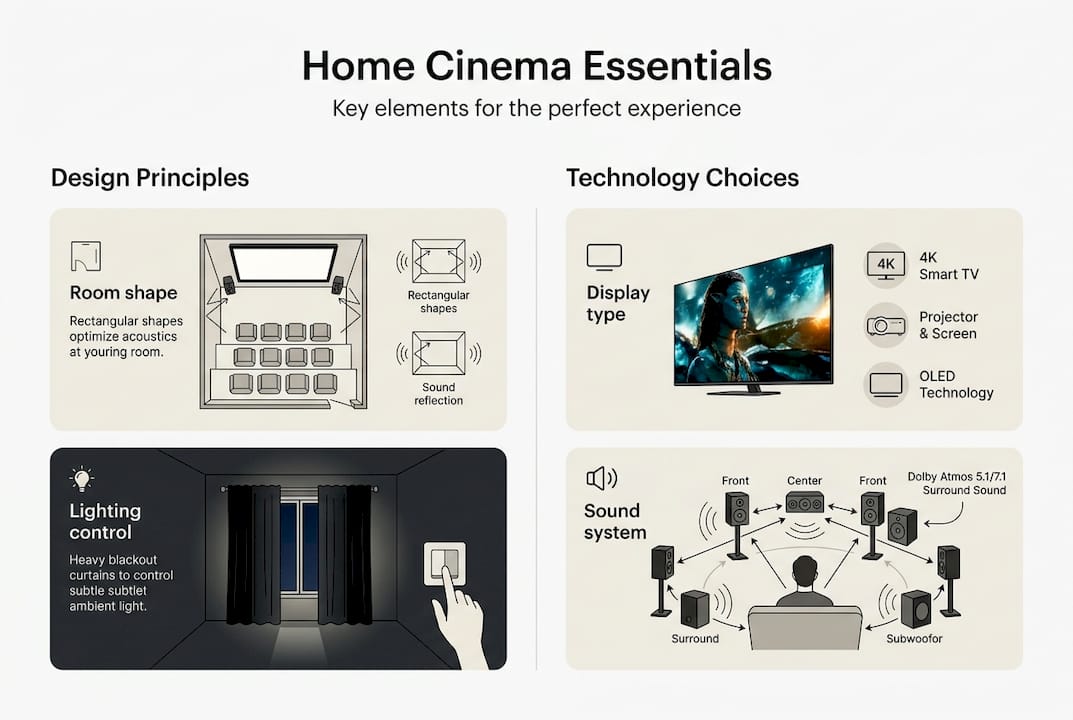
Room dimensions and proportions significantly affect sound quality and viewing comfort. Rectangular spaces generally work better than square rooms, as they reduce acoustic issues caused by parallel walls. The distance between seating and screen should follow established viewing angle guidelines, typically positioning viewers at 1.5 to 2.5 times the screen width for optimal immersion without eye strain.
Seating layout requires careful consideration of sightlines and acoustic positioning. Each seat should offer an unobstructed view and balanced sound from all speakers. Tiered seating works well in larger spaces, allowing multiple rows without compromising the experience for those seated behind. The seating itself contributes to acoustic performance, with upholstered furniture absorbing sound differently than hard surfaces.
Acoustic treatment addresses how sound behaves within the space:
- Identify reflection points where sound bounces between speakers and listening positions
- Install absorption panels at these points to reduce echoes and improve clarity
- Add diffusion elements to scatter sound evenly throughout the room
- Treat corners with bass traps to control low-frequency buildup
- Balance treatment to avoid making the room feel acoustically dead
Lighting control proves critical to both visual comfort and atmosphere. Proper lighting design reduces eye strain and enhances viewing comfort in home cinemas. Dimmable systems allow you to adjust brightness for different content types. Indirect lighting prevents screen glare whilst providing enough illumination for safe movement. Colour temperature matters too, with warmer tones creating a more relaxed atmosphere for evening viewing.
Pro tip: Install lighting scenes that automatically adjust when you start watching content. This eliminates the need to manually dim lights each time, making the cinema experience feel effortless from the moment you sit down.
Integration with your home’s architectural style maintains visual harmony. Modern homes might incorporate speakers within minimalist wall panels, whilst traditional properties could use fabric-covered acoustic treatments that complement existing finishes. The goal is technology that enhances your space without dominating it visually. This approach requires collaboration between technology specialists and your architect or interior designer during the planning phase.
Technology components and automation in home cinema systems
Display technology choice depends on room characteristics and personal preferences. Projectors create larger images and disappear when not in use, making them ideal for dedicated cinema spaces. Large-format displays offer convenience and work well in multi-purpose rooms where ambient light control is challenging. Both technologies have advanced significantly, with 4K resolution and high dynamic range now standard in quality systems.
| Technology | Best For | Key Advantage | Consideration |
|---|---|---|---|
| Projector | Dedicated cinema rooms | Largest possible image size | Requires light control |
| Large display | Multi-purpose spaces | Works in ambient light | Size limitations |
| Laser projector | Long-term installations | Minimal maintenance | Higher initial cost |
| OLED display | Rooms with some ambient light | Perfect black levels | Screen size limits |
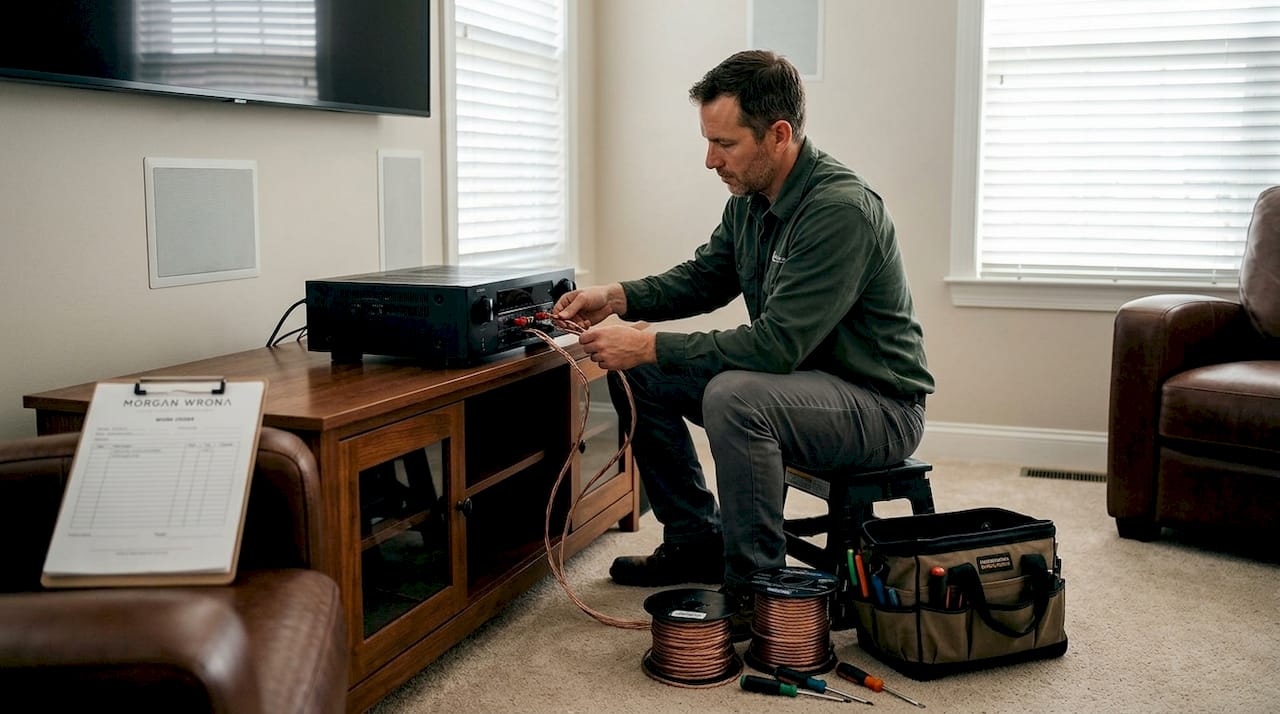
Surround sound systems create the immersive audio that defines cinema experiences. Modern configurations range from 5.1 systems with five speakers and a subwoofer to advanced Dolby Atmos installations with ceiling-mounted speakers for three-dimensional sound. The system you choose should match your room size and acoustic properties. Larger spaces benefit from more speakers to maintain even coverage, whilst smaller rooms achieve excellent results with carefully positioned compact systems.
Automation enhances user experience by integrating lighting, sound, and display for effortless operation. A single command can dim lights, lower blinds, adjust temperature, and start your chosen content. This integration extends beyond the cinema room itself, connecting with whole-home systems to pause music in other areas or adjust security settings when you begin watching.
Key automation capabilities include:
- Scene control that adjusts multiple systems with one command
- Integration with home automation blinds for light management
- Temperature adjustment based on occupancy and viewing duration
- Source switching between different content providers and devices
- Volume levelling that maintains comfortable sound across different content types
Pro tip: Choose control systems that offer both physical interfaces and mobile apps. Wall-mounted keypads provide intuitive control for all family members, whilst apps offer detailed adjustments for those who want them. This dual approach ensures everyone can use the system comfortably.
Smart window treatments contribute significantly to both light control and acoustic performance. Blackout blinds eliminate external light that would wash out projected images, whilst sound-absorbing materials help control room acoustics. Automated systems raise and lower treatments as needed, integrating seamlessly with your cinema control system. This automation proves particularly valuable in rooms with multiple windows or skylights where manual control becomes cumbersome.
Optimising comfort and acoustic performance in home cinemas
Acoustic treatment transforms how sound behaves within your cinema space. Without treatment, sound reflects off hard surfaces, creating echoes and reducing dialogue clarity. Strategic placement of absorptive and diffusive materials addresses these issues whilst maintaining the room’s aesthetic appeal. The goal is balanced acoustics that reveal detail in quiet passages whilst handling dynamic film soundtracks without harshness.
| Treatment Type | Primary Function | Typical Placement | Acoustic Benefit |
|---|---|---|---|
| Absorption panels | Reduce reflections | First reflection points | Improved clarity |
| Diffusers | Scatter sound evenly | Rear wall | Natural spaciousness |
| Bass traps | Control low frequencies | Room corners | Tighter bass response |
| Acoustic blinds | Absorb and block sound | Windows | Reduced external noise |
Soundproof windows and specialised blinds address noise transmission in both directions. They prevent external sounds from intruding during quiet film moments whilst containing cinema sound within the room. This consideration matters particularly in homes where cinema spaces adjoin bedrooms or living areas. Acoustic treatments and noise-reducing features dramatically improve sound clarity and reduce disturbances. Multi-layered window treatments combine light blocking with sound absorption, serving dual purposes within a single architectural element.
Comfort features extend beyond seating to encompass the entire viewing environment:
- Climate control maintains consistent temperature during extended viewing sessions
- Ventilation systems operate quietly to avoid competing with film soundtracks
- Adjustable cinema room lighting provides safe movement without disrupting the viewing experience
- Acoustic treatments reduce listening fatigue during long films
- Seating with built-in adjustments allows each viewer to find their optimal position
Seating design affects both comfort and acoustic performance. Upholstered furniture absorbs mid and high frequencies, contributing to overall room acoustics. The positioning affects how sound reaches each listener, with careful placement ensuring balanced audio across all seats. Reclining mechanisms should operate quietly to avoid disturbing others during films. Material choices matter too, with breathable fabrics maintaining comfort during extended viewing.
Lighting adjustments support different viewing scenarios. Brighter settings work well for casual television viewing or gaming, whilst dimmed configurations suit cinematic experiences. Pathway lighting ensures safe movement without illuminating the screen area. Colour-changing systems can create different atmospheres for various content types. The key is flexibility that adapts to how you actually use the space rather than forcing a single lighting approach.
Temperature management often receives insufficient attention during cinema design. Enclosed spaces with multiple people and heat-generating equipment require effective climate control. Systems should operate quietly to avoid acoustic interference. Zoned control allows the cinema to maintain different temperatures from adjacent spaces. Humidity control prevents condensation on cold surfaces and maintains comfort. These environmental factors significantly affect how long you can comfortably remain in the space, directly impacting how you use your cinema.
Enhance your home cinema with expert architectural lighting and automation
Creating a home cinema that truly complements your architecturally designed property requires specialist knowledge of both technology and design integration. Morgan-Wrona brings together expertise in lighting automation and home cinema systems to create spaces that enhance how you live.
Our approach focuses on understanding how you use your home and designing systems that support your daily life. We work alongside architects and interior designers to ensure technology integrates seamlessly with your property’s aesthetic. From initial consultation through installation and commissioning to ongoing support, we provide the expertise needed to create cinema spaces that deliver exceptional performance whilst respecting your home’s architectural character.
Whether you’re planning a dedicated cinema room or integrating home cinema capabilities into a multi-purpose space, our team can guide you through the process. We help you make informed decisions about technology, acoustics, and control systems based on your specific requirements. The result is a bespoke installation that enhances both your entertainment experience and property value. If you would like to discuss how lighting automation could enhance your home cinema project, contact us or call 01793 315930.
Frequently asked questions
What is home cinema automation, and why is it important?
Home cinema automation provides centralised control of all cinema equipment, lighting, blinds, and climate systems through a single interface. Rather than managing multiple remote controls and switches, you access everything through wall-mounted keypads, mobile apps, or voice commands. This integration matters because it removes complexity from the viewing experience, allowing you to focus on content rather than technology. Automation also enables sophisticated features like scenes that adjust multiple systems simultaneously, creating the optimal environment with a single command. For architecturally designed homes, automation ensures technology serves your lifestyle rather than complicating it.
How do lighting and acoustic treatments affect the home cinema experience?
Lighting directly impacts visual comfort and immersion. Properly controlled lighting reduces eye strain by eliminating contrast between the bright screen and dark surroundings. It also prevents reflections on the display surface that reduce image quality. Adjustable lighting adapts to different content types and times of day, supporting both cinematic viewing and casual television watching. Acoustic treatments improve sound quality by controlling how audio behaves within the room. They reduce echoes that muddy dialogue, eliminate resonances that colour musical content, and create a balanced soundstage across all seating positions. Together, these elements transform a room with cinema equipment into a space that delivers genuinely immersive experiences.
Can home cinemas increase my property value?
Yes, properly designed home cinemas add significant value to architecturally designed properties. Design-led home cinema concepts can boost property value by up to 20% when executed with attention to architectural integration and system quality. The key is creating installations that feel like integral parts of the home rather than aftermarket additions. Quality matters more than equipment quantity, with thoughtfully designed systems in appropriate spaces commanding premium valuations. Buyers increasingly expect sophisticated home technology, and a well-executed cinema demonstrates attention to detail throughout the property. The investment in proper design, quality components, and professional installation typically returns multiples of its cost when selling, whilst enhancing your enjoyment during ownership.