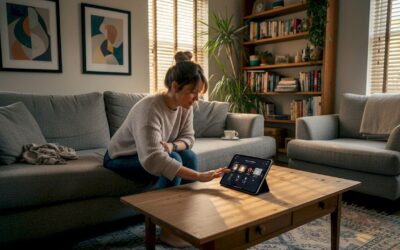
Cinema rooms often struggle with lighting that is either overwhelming or too dim, disrupting your viewing experience and making the space feel less inviting. Finding the right layers of illumination can be tricky, especially when you want something both sophisticated and practical. The right mix of ambient, task, and accent lighting creates a balanced environment that supports comfort, safety, and visual clarity throughout every movie night.
This list reveals proven strategies backed by professional lighting research. You will discover how features like recessed LEDs, flexible strip lights, and wall fixtures not only enhance atmosphere but also highlight architectural details and improve energy efficiency. Get ready to learn actionable tips that will help you transform your cinema room into a space with subtle ambience and seamless functionality. Your next home movie experience starts with smarter lighting choices.
Table of Contents
- 1. Recessed Lighting For Subtle Illumination
- 2. LED Strip Lighting For Ambient Effects
- 3. Wall Sconces Supporting Balanced Light
- 4. Task Lighting For Flexible Comfort
- 5. Step And Floor Lights Ensuring Safe Movement
- 6. Integrated Cove Lighting For Architectural Impact
- 7. Smart Lighting Control For Seamless Experience
Quick Summary
| Key Insight | Explanation |
|---|---|
| 1. Use Recessed Lighting | Provides balanced ambient illumination without visual clutter, enhancing room aesthetics. |
| 2. Integrate LED Strip Lighting | Offers design flexibility and continuous diffused light, creating immersive environments. |
| 3. Position Wall Sconces Strategically | Enhances architectural definition and reduces eye strain with soft, indirect lighting. |
| 4. Incorporate Task Lighting | Allows precise control of illumination, aiding specific activities without disrupting overall ambience. |
| 5. Implement Smart Lighting Control | Offers personalised lighting scenes and real-time adaptation to enhance user experience. |
1. Recessed Lighting for Subtle Illumination
Recessed lighting represents an elegant solution for homeowners seeking sophisticated ambient illumination without visual clutter. These understated fixtures are ingeniously designed to nestle seamlessly into ceilings and walls while providing sophisticated lighting solutions.
Unlike traditional overhead lights that dominate a space, recessed lighting offers architectural subtlety through its minimalist design. The key advantage lies in its ability to create balanced ambient illumination without introducing harsh visual elements.
Key benefits of recessed lighting include:
- Minimal visual interference with architectural lines
- Even light distribution across spaces
- Exceptional energy efficiency through LED technology
- Adaptable to various ceiling heights and room configurations
Modern recessed fixtures leverage integrated LED technology that provides multiple advantages. These compact units deliver consistent light output while consuming minimal electricity and maintaining an impressively long service life. The strategic placement of these fixtures allows for layered lighting designs that enhance room dynamics.
When considering recessed lighting for your cinema room, focus on creating a balanced lighting scheme. Select fixtures with adjustable beam angles and dimmable drivers to provide flexibility across different viewing scenarios. This approach ensures your lighting can transition smoothly between ambient background illumination and focused viewing environments.
Expert Recommendation Position recessed lights around the perimeter of your cinema room to create soft, indirect illumination that minimises screen glare while providing subtle architectural definition.
2. LED Strip Lighting for Ambient Effects
LED strip lighting represents a sophisticated solution for creating nuanced ambient lighting in home cinema spaces. These versatile illumination systems transform ordinary rooms into dynamic visual environments with remarkable subtlety.
LED strip lights offer exceptional design flexibility through their ability to integrate seamlessly into architectural features. Unlike traditional lighting solutions these slim fixtures can be discreetly installed in coves, under architectural elements and along perimeter edges to generate soft indirect illumination.
Key advantages of LED strip lighting include:
- Continuous diffused light distribution
- Energy efficient illumination
- Customisable colour temperatures
- Low profile installation options
- Minimal visual interference
Thoughtful LED strip placement can transform a cinema room from a functional space into an immersive sensory environment.
Professional designers leverage LED strips to create layered lighting experiences that adapt to different viewing scenarios. By incorporating tunable white and RGB colour options you can programme lighting sequences that enhance movie watching atmosphere.
When selecting LED strips for your cinema room consider factors like lumens output colour rendering index and moisture resistance. Professional grade strips provide superior performance with flicker free drivers and extended lifespan.
Expert Recommendation Select LED strips with colour temperature range between 2700K to 4000K for optimal cinema room ambient lighting that creates warmth without compromising visual clarity.
3. Wall Sconces Supporting Balanced Light
Wall sconces represent a sophisticated lighting solution that transforms cinema room illumination beyond traditional overhead fixtures. These elegant wall mounted lights offer nuanced lighting capabilities that dramatically enhance spatial perception and visual comfort.
Wall sconces contribute to layered lighting design by providing mid-level illumination that eliminates harsh shadows and creates ambient visual harmony.
Key advantages of wall sconces include:
- Soft indirect light distribution
- Elimination of visual contrast
- Enhanced architectural definition
- Reduced eye strain
- Adaptable illumination options
Strategically positioned wall sconces can transform a cinema room from a mere viewing space into an immersive sensory environment.
Modern LED wall sconces offer exceptional flexibility through directional optics and advanced diffusion technologies. By selecting fixtures with adjustable beam angles and colour temperatures you can create dynamic lighting environments that adapt to different viewing scenarios.
When integrating wall sconces into your cinema room consider their positioning relative to screen placement and seating arrangements. Aim to create a balanced lighting scheme that provides soft peripheral illumination without generating screen glare.
Expert Recommendation Position wall sconces at seated eye level and approximately 45 degrees from primary viewing angles to achieve optimal ambient light distribution.
4. Task Lighting for Flexible Comfort
Task lighting represents a sophisticated approach to personalised illumination in cinema rooms that goes far beyond traditional fixed lighting solutions. These adaptable fixtures empower homeowners to create precisely targeted light exactly where and when they need it.
Understanding adjustable lighting benefits reveals how personalised light sources can transform viewing experiences. Task lighting allows you to illuminate specific areas without disrupting the overall cinema room ambience.
Key advantages of task lighting include:
- Precise light control
- Reduced eye strain
- Enhanced visual comfort
- Minimal disruption to room aesthetics
- Flexible positioning options
Task lighting transforms your cinema room from a static space into a dynamic environment that adapts to your specific needs.
Consider incorporating adjustable reading lights near seating areas or compact directional fixtures that can highlight remote controls navigation panels or provide subtle illumination for snack preparation. Modern LED task lights offer exceptional flexibility with options for colour temperature adjustment and minimal visual interference.
When selecting task lighting for your cinema room prioritise fixtures with smooth dimming capabilities and compact designs that complement your existing architectural elements. Look for models with articulated arms or magnetic mounting options for maximum versatility.
Expert Recommendation Select task lights with colour temperature ranges between 2700K to 3000K to maintain warm ambient tones while providing sufficient functional illumination.
5. Step and Floor Lights Ensuring Safe Movement
Step and floor lighting represents a critical safety feature in sophisticated cinema room design that elegantly combines functionality with aesthetic refinement. These subtle illumination solutions transform movement through spaces from potentially hazardous to smoothly intuitive.
Pathway lighting enhances pedestrian safety by providing gentle navigational guidance through low-level indirect illumination. Strategically positioned floor and step lights create visual cues that support natural movement while preventing potential accidents.
Key advantages of step and floor lighting include:
- Reduced trip and fall risks
- Enhanced spatial perception
- Minimal visual interference
- Elegant architectural integration
- Continuous safe navigation
Thoughtful step lighting transforms circulation spaces from potential hazard zones into beautifully choreographed pathways of light.
Consider incorporating recessed LED floor markers along staircase edges cinema room perimeters and key transitional areas. Modern lighting technologies allow for programmable colour temperatures and intensity levels that can adjust automatically based on ambient conditions or time of day.
When designing step and floor lighting prioritise fixtures with soft diffused light and consider integrating motion sensors for automatic illumination. Choose low-profile designs that blend seamlessly with your existing architectural elements to maintain a sophisticated aesthetic.
Expert Recommendation Select floor lighting with warm colour temperatures between 2700K to 3000K to create a welcoming atmosphere while providing sufficient visibility for safe movement.
6. Integrated Cove Lighting for Architectural Impact
Cove lighting represents a sophisticated approach to architectural illumination that transforms ordinary spaces into extraordinary visual experiences. These cleverly concealed light sources create soft ambient environments that seem to emerge seamlessly from architectural surfaces.
High-performance cove lighting techniques enable designers to achieve subtle architectural visual enhancement without visible hardware or harsh light sources.
Key advantages of integrated cove lighting include:
- Uniform light distribution
- Minimal visual interference
- Enhanced spatial perception
- Energy efficient illumination
- Support for circadian lighting principles
Cove lighting transcends mere illumination by sculpting architectural spaces through intelligent light placement.
When designing cove lighting for your cinema room consider the precise geometry of your architectural features. Modern LED systems allow for programmable colour temperatures and intensity levels that can dynamically adapt to different viewing scenarios while maintaining a sophisticated aesthetic.
Careful fixture placement and surface reflectance become critical factors in achieving a truly immersive lighting environment. Select LED strips with high colour rendering indices and smooth dimming capabilities to ensure seamless visual transitions.
Expert Recommendation Position cove lighting at least 75mm from adjacent surfaces to minimise direct glare and maximise soft reflected illumination.
7. Smart Lighting Control for Seamless Experience
Smart lighting control represents the pinnacle of modern home cinema illumination technology offering unprecedented personalisation and intuitive functionality. These sophisticated systems transform lighting from a static utility into a dynamic sensory experience that anticipates and adapts to your preferences.
Intelligent lighting systems optimise user experience through advanced sensor-driven technologies that create seamless environmental interactions.
Key advantages of smart lighting control include:
- Real-time environmental adaptation
- Energy consumption optimisation
- Personalised lighting scenes
- Wireless connectivity options
- Intuitive user interfaces
Intelligent lighting transforms spaces from mere rooms into responsive environments that understand and anticipate human needs.
Modern AI-powered lighting networks leverage computer vision and machine learning to create nuanced lighting environments. These systems can dynamically adjust illumination based on factors like occupancy ambient light levels viewing preferences and even the specific content being watched in your cinema room.
Consider integrating smart control systems that offer programmable scenes allowing you to transition seamlessly between different lighting configurations. Look for platforms that support voice control smartphone integration and can be programmed to remember your specific preferences for different activities.
Expert Recommendation Select smart lighting control systems with open protocol compatibility to ensure future integration and flexibility across evolving home automation ecosystems.
Below is a comprehensive table summarising the main points and strategies discussed throughout the article concerning advanced lighting solutions for cinema spaces.
| Lighting Type | Description | Key Benefits | Expert Recommendation |
|---|---|---|---|
| Recessed Lighting | Integrated fixtures offering soft, indirect illumination to maintain minimal clutter. | Even light distribution, enhanced aesthetics, and energy efficiency through LED technology. | Position around room perimeters for indirect light and glare reduction. |
| LED Strip Lighting | Slim and flexible lighting applied to architectural features for ambient light. | Continuous illumination, energy efficiency, and customisable colours/temperatures. | Choose strips with 2700K–4000K temperatures to balance warmth and clarity. |
| Wall Sconces | Wall-mounted lights providing moderate illumination to reduce contrasts and enhance harmony. | Soft light distribution, improved spatial perception, and architectural enhancement. | Install at seated eye level, angled for balanced and glare-free output. |
| Task Lighting | Adjustable fixtures providing focused light for specific activities. | Precise illumination and reduced eye strain while blending into space aesthetics. | Opt for adjustable designs with warm 2700K–3000K temperatures. |
| Step and Floor Lighting | Discreet lights ensuring safety and enhancing navigation through spaces. | Safe movement, architectural integration, and minimal visual interference. | Prioritise low-profile, motion-sensing designs for optimal utility and aesthetics. |
| Integrated Cove Lighting | Built-in lighting systems creating seamless architectural enhancement. | Uniform distribution, energy efficiency, and circadian lighting support. | Place at least 75mm from surfaces to optimise indirect soft illumination. |
| Smart Lighting Control | Advanced systems enabling dynamic management and personalisation of lighting setups. | Real-time adjustment, energy savings, and enhanced user experience through automated customisation. | Implement ecosystems with wide compatibility for future expansions. |
Thoughtful Lighting Solutions Tailored to Your Cinema Room
Creating the ideal home cinema lighting is about more than brightness. It is about crafting an environment where every moment on screen feels immersive yet comfortable. Understanding options from recessed lighting to smart controls helps you address common challenges like avoiding screen glare, ensuring safe movement, and achieving balanced illumination throughout the space.
When your lighting plan respects architectural lines and adapts effortlessly to your lifestyle, it enhances both enjoyment and usability. Our approach at Morgan Wrona focuses on collaboration, careful system design, and nuanced installation to deliver lighting that integrates naturally with your home’s aesthetic. Whether you are considering layered lighting with wall sconces and LED strips or seamless smart controls, we guide you through each step from concept to aftercare.
If you would like to learn how considered cinema room lighting can transform your space, explore solutions with us at Morgan Wrona.
Discover a lighting experience that adapts to your viewing habits and architectural features. Contact us or call 01793 315930 to discuss your project in confidence.
Frequently Asked Questions
What types of lighting are essential for a cinema room?
Recessed lighting, LED strip lighting, wall sconces, task lighting, step and floor lights, integrated cove lighting, and smart lighting control are all essential. Consider implementing a combination of these types to create a layered lighting experience that enhances your cinema room.
How do I achieve balanced lighting in my cinema room?
Aim for a mixture of ambient, task, and accent lighting to create balance. Position recessed lights around the perimeter and use dimmable fixtures to adjust the light levels according to your viewing scenario.
What is the role of LED strip lighting in a cinema room?
LED strip lighting provides flexible, low-profile illumination that can be installed discreetly to enhance ambient effects. Plan for placement in coves or under furniture, allowing you to create a warm and inviting atmosphere.
How can I reduce glare from screen lighting in my cinema room?
Position wall sconces and recessed lighting thoughtfully to provide soft, indirect light. Aim to place these fixtures at eye level and at least 45 degrees from your screen to minimise glare while ensuring adequate illumination.
What should I consider when selecting task lighting for my cinema room?
Choose task lighting that offers precise control and can be adjusted to different needs. Look for fixtures that have a warm colour temperature and smooth dimming capabilities to maintain comfort during various activities in your cinema room.
How can smart lighting control enhance my cinema room experience?
Smart lighting control allows for real-time adjustments based on your preferences and viewing conditions. Integrate systems that can automate lighting scenes for different activities, ensuring a seamless transition from ambient to focused lighting.
Recommended
- Lighting in Cinema Rooms – Enhancing Daily Use
- Home Lighting Workflow Guide: Achieve Seamless Ambience
- 7 Essential Lighting Design Checklist Steps for Homeowners
- Lighting Automation: Shaping Home Experience and Comfort